
Table of Contents
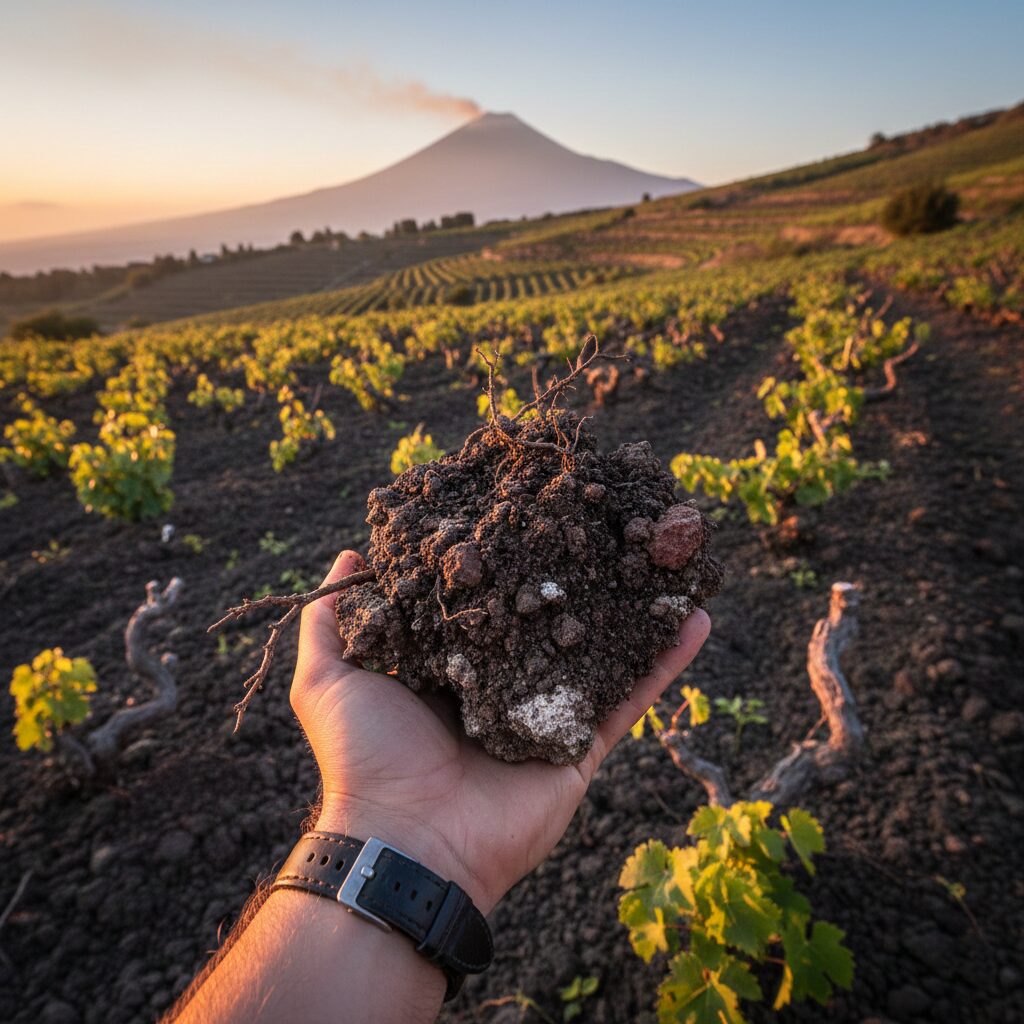
I remember the exact moment I realized that everything I knew about flavor was wrong. I was standing on the jagged, charcoal-colored slopes of Mount Etna, the wind whipping the scent of sulfur and wild thyme across my face. In my hand was a single cluster of Nerello Mascalese grapes, dusted with fine volcanic ash. As I tasted one, the explosion wasn’t just sweet or tart; it was metallic, smoky, and vibrantly alive. That was the day I stopped being a mere food tourist and began my life on the terroir trail.
For years, I thought “farm-to-table” was the pinnacle of eating. I looked for the freshest ingredients at local markets and cheered for chefs who knew their farmers’ names. But the terroir trail is something much deeper. It is the pursuit of the “somewhereness” of food. It is a journey to the specific patch of earth where soil, climate, and tradition collide to create a flavor that cannot be replicated anywhere else on the planet. To follow this path is to understand that a carrot isn’t just a carrot, and wine isn’t just fermented juice—they are edible snapshots of a landscape.
Why I Follow the Volcanic Wine Circuit
My obsession with the relationship between earth and glass led me to the Volcanic Wine Circuit. There is a primal energy in soil born from fire. When you walk through vineyards in the Azores or along the rim of a Sicilian crater, you aren’t just looking at dirt. You are looking at decomposed basalt, pumice, and obsidian.
I spent a week traversing the “Fajãs” of Pico Island in the Azores. Here, the vines don’t grow on trellises. Instead, they are tucked into thousands of tiny stone corrals called currais, built from black volcanic rock to protect the grapes from salty Atlantic gales. I sat on those warm stones and spoke with a local winemaker whose family had tended these vines for generations. He explained that the rock soaks up the sun’s heat during the day and radiates it back to the grapes at night.
When I finally sipped the wine, the terroir trail revealed its secrets. The liquid tasted like a sea breeze caught in a flinty cave. Because the soil is so young and mineral-heavy, the vines have to struggle, digging their roots deep into the cracks of the lava. That struggle translates into a chemical profile that is lean, salty, and incredibly complex. This isn’t a trend; it is a thousand-year-old conversation between a volcano and a vine.
Mapping the Ancient Grain Heritage
The next leg of my journey took me away from the coast and toward the sun-baked Anatolian plains. While many travelers seek out famous monuments, I was searching for the Ancient Grain Map. I wanted to find the ancestors of the wheat that feeds the world.
In a small village outside of Kars, I met a woman who was winnowing Kavilca, an ancient emmer wheat that has remained unchanged for millennia. As the golden husks danced in the wind, she told me that this grain survived because it adapted to the harsh, high-altitude climate of the region. It didn’t need the chemicals or heavy irrigation of modern hybrids.
I stayed in her kitchen as she ground the grain into flour and baked a simple flatbread. The aroma was different from any bakery I had ever visited—it was nutty, earthy, and deep. When I took a bite, I realized that modern bread is often a ghost of what grain used to be. By following the terroir trail to the Anatolian plains or the highlands of Ethiopia for Teff, I wasn’t just eating history. I was tasting the resilience of the land itself. These heritage grains are being revived not just for their flavor, but because they are the key to a sustainable future in a changing world.
Walking the Single-Origin Coast for Salt and Honey
The terroir trail eventually led me back to the water’s edge. I decided to follow the Single-Origin Coast, focusing on two of the world’s most misunderstood ingredients: salt and honey.
Most people treat salt as a generic commodity, but on the Atlantic coast of France, in the marshes of Guérande, I saw it as a harvest. I watched the paludiers (salt workers) use long wooden rakes to skim the “Fleur de Sel” off the surface of the water. The flavor of this salt is dictated by the clay at the bottom of the ponds and the specific minerals in the Atlantic tides. It has a moist, violet-like scent and a crunch that melts on the tongue.
Further south, along the Mediterranean, I followed the trail of artisanal honeys. I tracked beekeepers who move their hives according to the blooming of specific wild flora—rosemary, lavender, or the bitter arbutus. In Sardinia, I tasted “Miele d’Amaro” (bitter honey). It is an acquired taste, sharp and medicinal, produced by bees that feed exclusively on the strawberry tree.
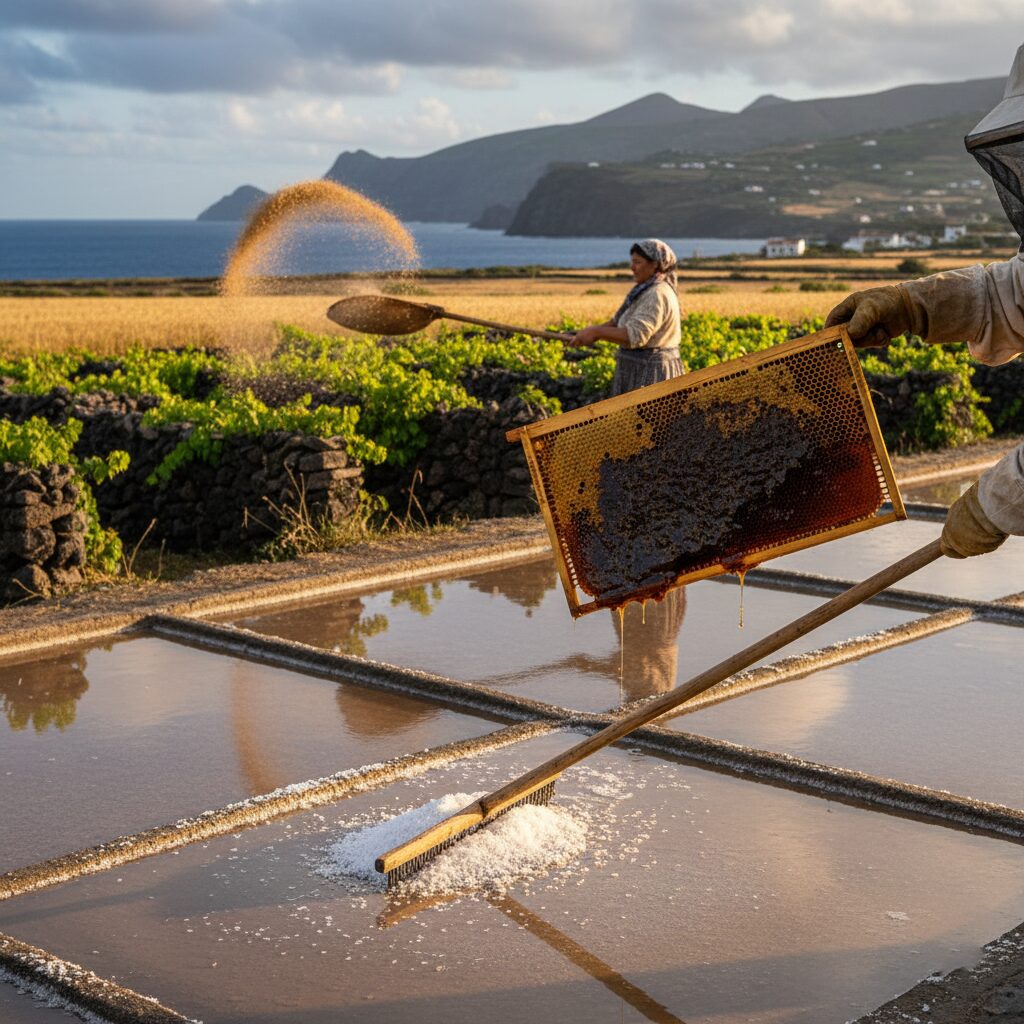
Each of these ingredients told a story of a precise microclimate. If the wind shifted or the rain fell differently that year, the taste would change. This is the beauty of the terroir trail. It demands that we slow down and pay attention to the nuances of the natural world.
The Future of Food Tourism is Deep
Traveling the terroir trail has changed the way I see the world. I no longer look for the “best” restaurants in a city. Instead, I look for the places where the soil is unique. I look for the farmers who are protectors of specific seeds and the winemakers who let the land speak through the bottle.
This shift in food tourism is about more than just a meal. It is about a deep-seated desire for authenticity. In a world of mass-produced, standardized flavors, the terroir trail offers us something rare: the taste of a specific place and a specific moment in time. Whether it’s the mineral bite of a volcanic white wine, the nutty depth of an ancient grain, or the briny crunch of hand-harvested sea salt, these flavors connect us to the earth in a way that nothing else can.
I invite you to start your own journey. Look at the labels in your pantry. Research the geology of your favorite wine region. Find the honey that tastes like the hills behind your childhood home. The terroir trail isn’t a map you buy; it’s a way of seeing. Once you start tasting the soil, you can never go back to eating blindly again.