
Table of Contents
The Sensory Awakening
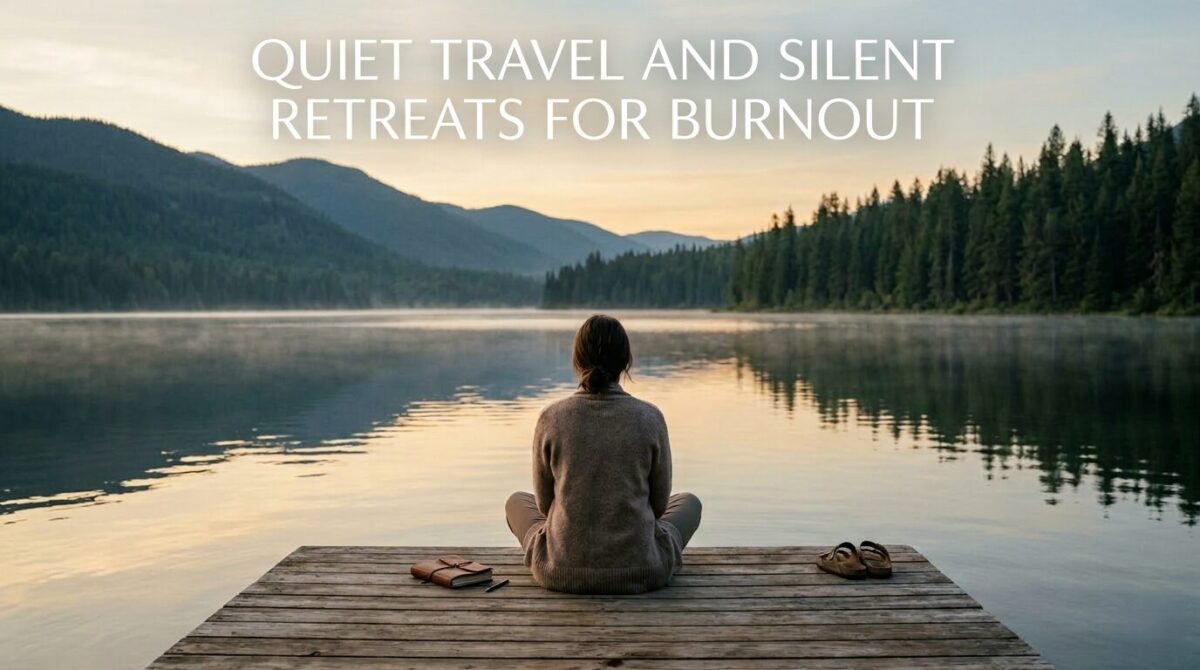
I stood on the edge of the Vatnajökull glacier, and for the first time in a decade, I heard nothing. No hum of a refrigerator, no ping of a notification, and no distant throb of traffic. Quiet travel and silent retreats for burnout provide a radical remedy for our noisy world. By seeking out silent tourism, we allow our minds to reset in ways a standard beach holiday cannot achieve. These noise-free vacations are no longer a luxury; they are a biological necessity for the modern professional.
The weight of the silence felt heavy at first, almost like a physical pressure against my ears. I realized then how much “background noise” I had been carrying in my chest. My heartbeat, usually a frantic metronome of deadlines and digital pings, finally began to slow down. I was finally in a soundless sanctuary, far from the digital tether.
Finding the Frequency of Stillness
We live in an era of “peak noise,” where our brains are constantly scanning for threats and updates. When I first checked into a silent monastery in the Alps, the lack of conversation felt like a missing limb. I wanted to fill the gaps with small talk or a podcast. Yet, the protocol was clear: total silence from sunset to sunrise. This forced me to look inward.
During those first few hours, my internal monologue was louder than any city street. I replayed old arguments and worried about unread emails. But by the second day, something shifted. The mental chatter began to evaporate like morning mist. I started to notice the specific texture of the wind against the stone walls. I could hear the rhythmic breath of the forest around me.
The Science of Silence
The human brain was never designed for the 24-hour digital hum. I spent years ignoring the subtle friction of constant noise. Science now shows that quiet travel and silent retreats for burnout do more than just lower stress. They physically alter our brain chemistry. Researchers have found that two hours of silence daily can spark cell development in the hippocampus. This is the region of the brain linked to memory and emotion.
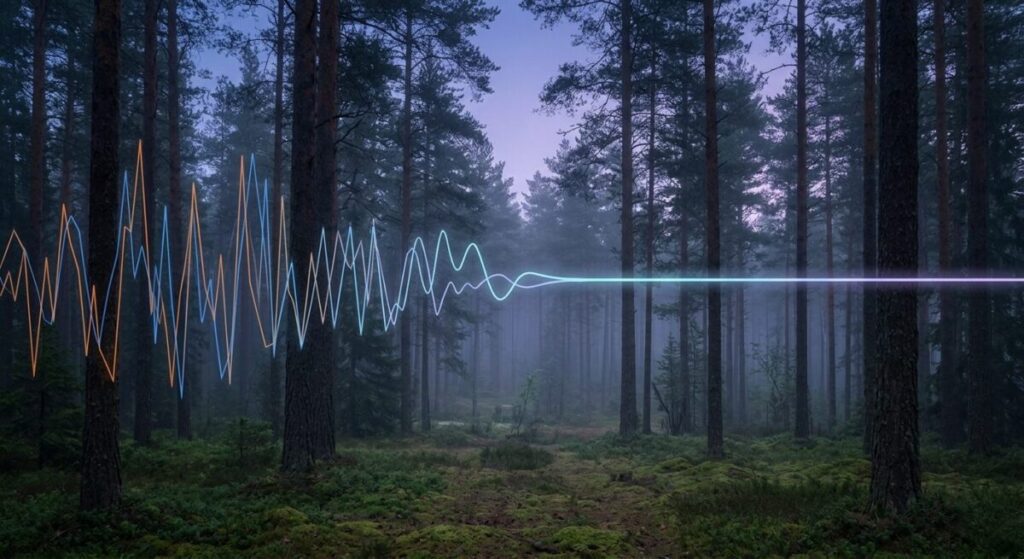
When I first transitioned into silent tourism, my nervous system felt “loud.” This is because our bodies stay in a state of high alert when noise is present. Even during sleep, a distant siren or a buzzing phone triggers the release of cortisol. By choosing noise-free vacations, we give our amygdala a much-needed break. We move from “fight or flight” into a state of deep, restorative repair.
Restoring the Auditory Palette
I noticed the most profound change in my focus. In my normal life, I juggle a dozen open tabs and constant pings. My attention was fractured and thin. After three days in a soundless sanctuary, my concentration became laser-sharp. I could read a book for hours without the urge to check my pocket. This isn’t just a feeling; it is the “Default Mode Network” of the brain finally coming online.
This neural network is where our best ideas are born. It only activates when we stop processing external data. I found that my most creative solutions for work didn’t come from a boardroom. They emerged while I was watching the fog roll over a quiet valley in Vermont. Silence is the soil where innovation grows.
The Impact of Decibel Fatigue
We often underestimate the cost of “decibel fatigue.” It drains our energy and makes us irritable. During my travels, I met others who had reached their breaking point. One woman told me she could no longer hear her own thoughts over the city noise. She came to the retreat to find her voice again.
By the fourth day, we were both different people. Our faces looked smoother, and our movements were more deliberate. We weren’t just on holiday; we were undergoing a biological recalibration. The science is clear: we need silence to remain human.
Global Sanctuaries for the Soul
The world is louder than ever, but pockets of absolute stillness still exist. When I began my journey into quiet travel and silent retreats for burnout, I looked for “Blue Zones” of silence. These are places where the natural acoustic environment remains untouched by industry. From the frozen reaches of Scandinavia to the high deserts of the Atacama, silent tourism offers a global map of peace. Choosing noise-free vacations means prioritizing these rare, protected soundscapes.
In the Finnish Lapland, I found a soundless sanctuary in a glass igloo. The only noise was the occasional crackle of the Northern Lights above. This isn’t just a vacation; it is an immersion into a world before the engine. These destinations are designed for those who have reached their sensory limit. They offer a profound return to the basics of human existence.
The Zen Gardens of Kyoto
Japan has long understood the power of the “Ma,” or the space between. In the temples of Kyoto, I learned that silence is a physical presence. I spent hours sitting on polished wood floors, watching the shadows move across a rock garden. No one spoke. No cameras clicked. The air felt thick with a shared, respectful stillness.
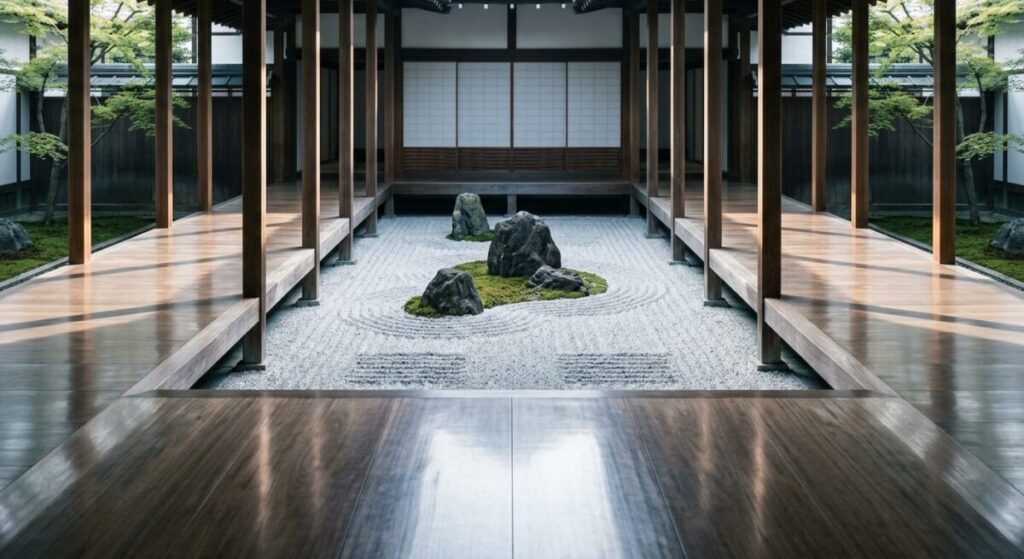
This form of travel is about quality, not quantity. You don’t “do” Kyoto’s temples; you let them happen to you. The monks move like ghosts, their straw sandals making only the faintest whisper. It is a masterclass in intentional living. I left those gardens feeling like I had washed my brain in a cold, clear mountain stream.
The High Desert of the Atacama
For those who need a more rugged silence, the Chilean desert is unmatched. I remember standing in the middle of a salt flat at midnight. The silence there was so absolute it felt like a ringing in my ears. There was no wind, no insects, and no birds. It was just me and a billion stars.
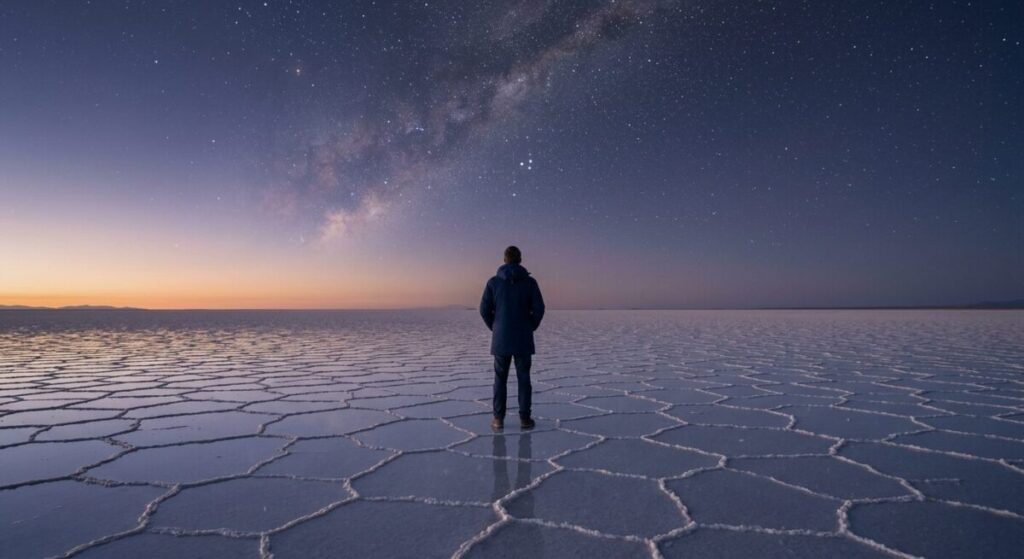
In this void, I finally understood the scale of my own life. My “urgent” emails felt like grains of sand. The desert doesn’t care about your productivity or your social standing. It only offers a mirror to your own soul. This is the ultimate destination for anyone looking to truly disconnect.
The Silent Protocol
Stepping into a “hush-trip” requires more than just booking a flight. When I prepared for my first venture into quiet travel and silent retreats for burnout, I realized the hardest part wasn’t the travel; it was the “power down.” Most people treat silent tourism like a standard vacation, but it is actually a mental fast. To truly benefit from these noise-free vacations, you must establish a protocol that protects your peace before you even arrive at your soundless sanctuary.

The first step is a digital sunset. I began reducing my screen time three days before my departure. If you go from ten hours of blue light a day to zero, the withdrawal can trigger “digital jitters.” I found that by gradually replacing my evening scroll with a physical book, the transition into silence felt less like a shock and more like a relief.
Setting Expectations for the Silence
Silence can be loud when you aren’t used to it. During my first day at a retreat, the lack of social chatter made me feel incredibly vulnerable. I had to learn the etiquette of “noble silence,” where you don’t even make eye contact with fellow travelers. This isn’t about being rude; it’s about allowing everyone to stay within their own internal landscape.
I recommend packing light but with intention. I brought a high-quality journal and a pen that felt good in my hand. Without the ability to speak, my thoughts needed a place to land. Writing by hand slowed down my processing speed, matching it to the pace of the wind and the trees. It’s a vital tool for anyone navigating the “messy middle” of a burnout reset.
The Logistics of the Transition
You must get your affairs in order to avoid “mental pings.” I set an “out of office” reply that was firm about my lack of connectivity. Knowing that my clients and family had an emergency contact—one that wasn’t my personal phone—allowed my brain to fully let go. You cannot relax if part of your mind is still monitoring a ghost signal.
Finally, be gentle with yourself. On day two, you will likely feel a surge of boredom or irritation. This is the “boredom threshold,” and crossing it is where the real healing begins. I learned to sit with that discomfort until it turned into a profound sense of presence. Once you stop fighting the quiet, the quiet starts to fill you up.
Integrating the Stillness
The true test of quiet travel and silent retreats for burnout isn’t the retreat itself. It is the first Tuesday morning back in the office. I remember landing at the airport and feeling the cacophony of the city hit me like a physical wall. To maintain the benefits of silent tourism, you must build “islands of quiet” into your daily routine. Without these, the clarity found during noise-free vacations evaporates within a week.

I started by auditing my sensory environment at home. I realized my living room was a soundless sanctuary until I turned on the television for “background noise.” Now, I choose silence. I sit with my coffee in the morning without a podcast. This small act preserves the neural pathways I built during my time away.
Creating a Buffer Zone
The transition from a retreat to a high-octane career requires a buffer. I no longer jump straight from a plane into a meeting. I schedule a “integration day” at home to process the shift. This allows the nervous system to remain regulated. When the pings of my digital life returned, I met them with a new sense of detachment.
I also learned the power of the “micro-silent.” Even in a busy office, I find three minutes to close my eyes and focus on my breath. It is a miniature version of the vast deserts and quiet temples I visited. These moments act as a pressure valve, preventing the buildup of “decibel fatigue.”
The New Architecture of Work
My approach to productivity shifted after my silent sabbatical. I now block out “Deep Work” sessions where all notifications are silenced. I discovered that I am more effective in four hours of quiet than in eight hours of fragmented noise. My colleagues noticed the change too. They saw a leader who was less reactive and more intentional.
In the end, silence is not a void. It is a reservoir of strength. By making it a permanent part of my life, I no longer feel the desperate need to “escape” from my own reality. I have brought the stillness of the mountains back to the city with me.