

Table of Contents
Budgeting doesn’t have to be a source of misery. For years, I approached my personal finances with a mix of dread, avoidance, and the occasional burst of frantic, unsustainable cutting. I kept a mental tally of my expenses, worried about every single latte, and felt like my money was constantly slipping through my fingers like sand. It wasn’t until I stopped trying to track every single penny—an exhausting, soul-crushing exercise in futility—and started using the 50/30/20 rule that I finally achieved real financial peace of mind. What if you could manage your entire financial life by just knowing three simple, elegant percentages?
Why Traditional Budgeting Fails
The reason most people give up on budgeting is that they make it unnecessarily complicated. They buy expensive software, try to log every transaction down to the cent, and inevitably burn out within a single month. I used to be that person. I would spend hours at the end of the week analyzing where my money went, only to realize I had spent forty dollars on “miscellaneous” items I couldn’t even remember.
When I finally shifted my perspective, I realized that I didn’t need to be an accountant or a financial wizard; I just needed a system that automated my discipline. The 50/30/20 rule isn’t about restriction or punishment; it’s about intentionality. It provides a flexible framework that accounts for the messy reality of human behavior—including our psychological need to occasionally treat ourselves. It acknowledges that if you make life too restrictive, you will eventually rebel against your own budget.
Breaking Down the 50/30/20 Framework
The beauty of this framework lies in its absolute simplicity. You take your net income—what you actually see in your bank account after taxes and deductions—and you divide it into three primary, logical buckets.
1. 50% for Needs
These are your non-negotiables. Think of these as the foundation of your survival. Rent or mortgage, utilities, basic groceries, transportation, and essential insurance. If you cannot live, work, or sleep without it, it comes out of this 50%. When I first performed a deep audit of my own spending, I was shocked to find that my “needs” had crept up to nearly 70% of my take-home pay. I was living in a home that was slightly too expensive and paying for utility plans I never utilized. By making small, strategic adjustments—like renegotiating my insurance or switching to a more cost-effective provider—I slowly brought this back down to the 50% mark, creating immediate, welcome breathing room in my budget.
2. 30% for Wants
This is the “guilt-free” portion of your income, and arguably the most important for maintaining your long-term sanity. Dining out, hobbies, streaming subscriptions, new clothes, and travel. This is where most people get into trouble because they view their “wants” as limitless. By capping this strictly at 30%, you give yourself permission to enjoy life, but you force yourself to choose which things actually bring you genuine joy. If I want a new piece of high-end tech, I have to weigh it against the value of a weekend trip. It turns spending into an active, conscious decision rather than a reactive impulse.
3. 20% for Financial Goals
This is the most critical bucket for your future. This goes toward paying down high-interest debt, building a robust emergency fund, and investing for the long term. This is your “future self” fund. By prioritizing this 20% immediately after your paycheck hits, you ensure that you are consistently building wealth without having to rely on waning willpower at the end of the month. It creates a “pay yourself first” mentality that is the hallmark of every successful financial strategy.
Architecting Your Financial Future
The hardest part of this system is the initial setup. You have to sit down, look at your bank statements, and categorize your last three months of spending. It’s an eye-opening, sometimes uncomfortable experience to see where your money is actually leaking. But once you see the patterns, you can start to realign your habits with your true values.

I personally use automated transfers to make this work. As soon as my paycheck arrives, the 20% for my future is automatically moved into a separate high-yield savings account or an investment vehicle. I don’t “see” that money, so I don’t spend it. By automating the savings, I’ve effectively removed the need for daily self-control. The money is gone before I have the chance to wonder if I really need that extra subscription service.
Finding Peace in the Numbers
Financial peace of mind isn’t about having a million dollars in the bank; it’s about knowing that your current spending is sustainable and that your future is being protected. When I stopped worrying about whether I could afford a weekend dinner and started knowing that my “Needs” and “Savings” were already covered, the underlying anxiety simply vanished.
You don’t need a PhD in economics to build lasting wealth. You just need a system that keeps your priorities straight. If your 50/30/20 breakdown is currently off-balance, don’t try to fix it overnight—that’s a recipe for frustration. Start by moving one percentage point at a time. The goal isn’t immediate perfection; it’s long-term, incremental progress. Your future self will thank you for the small, disciplined decisions you make today.
Overcoming the “Budgeting Guilt”
One thing I had to learn the hard way: if you overspend on your “wants” in one month, don’t throw the whole system away. Just acknowledge it as an outlier, adjust for the next month, and move on. Financial health is a marathon, not a sprint. If you use your “wants” bucket for a vacation, enjoy it fully. The 50/30/20 rule is designed to be lived in, not just looked at on a spreadsheet.
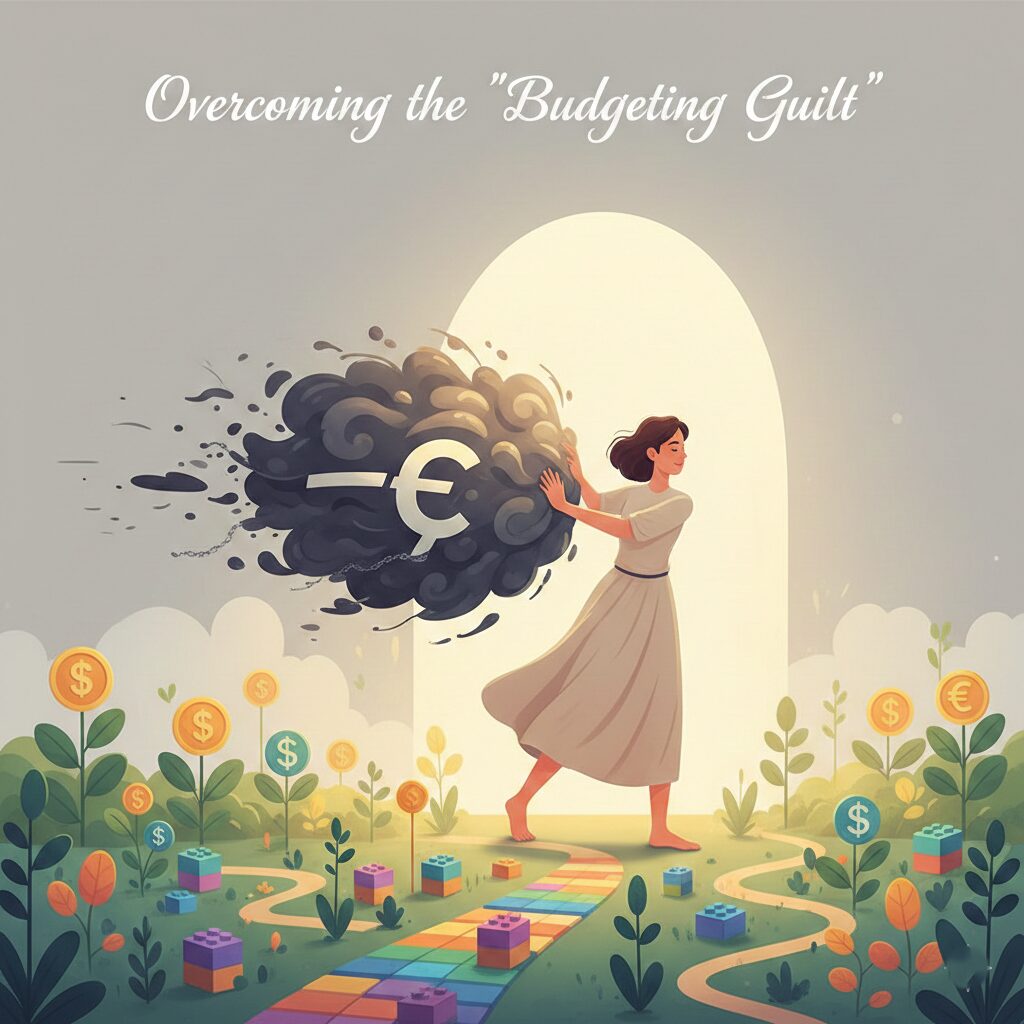
By removing the shame from spending, you become more likely to stick to the plan. I’ve found that when I budget for my fun, I actually end up enjoying it more, because I know that my rent is paid and my investments are growing. It’s a profound shift in mindset that takes the “scarcity” out of money and replaces it with “strategy.”
The Multiplier Effect of Consistency
Why is this rule so effective? It’s because it relies on the principle of the multiplier effect. When you consistently save 20% of your income over several years, compound interest begins to do the heavy lifting for you. That 20% isn’t just money; it’s freedom. It’s the ability to handle a sudden car repair without panic. It’s the ability to take a risk in your career because you have a buffer. It’s the ability to retire on your own terms.
I challenge you to start today. Take your last month’s paycheck, open a blank sheet of paper, and apply the 50/30/20 test. Where does your current reality stand compared to the framework? You might be surprised to see that you are closer than you think, or you might realize you have some work to do. Either way, having the data is the first step toward reclaiming control. You are the architect of your financial destiny—now go and build the foundation.