
Table of Contents
The Modern Angler’s Mindset
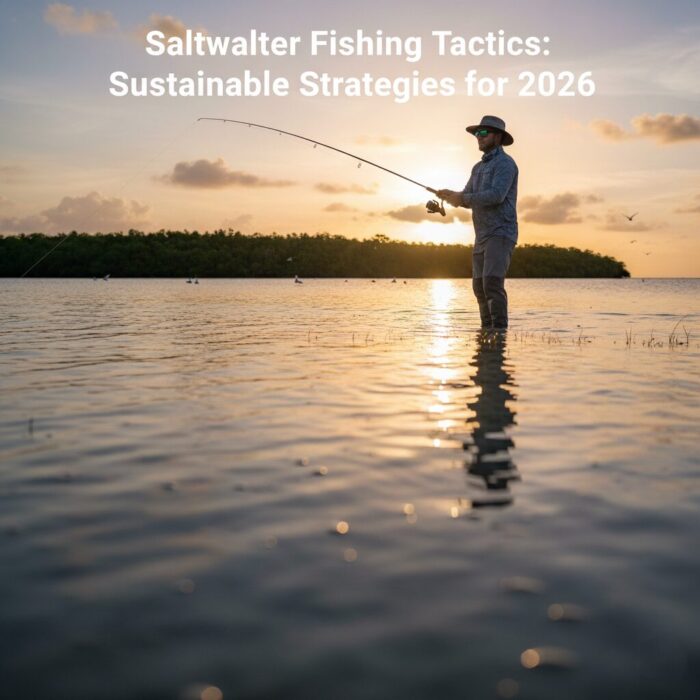
I have spent years on the water, watching the horizon change while my line drifts. Saltwater fishing today is not just about the thrill of the catch; it is about the modern saltwater fishing tactics that respect the ocean’s limits. We must become stewards of the sea. Sustainable fishing strategies are now essential for every responsible angler. I approach every trip with a plan, recognizing that my recreational angling methods directly influence the health of our marine ecosystems for years to come.
My shift toward sustainability happened when I realized how much my gear impacted the water. I stopped chasing trends and started focusing on efficiency. You do not need the most expensive boat or a tackle box full of every lure in the store to be successful. Instead, you need a clear feedback loop: Plan, Do, Check, and Adjust. This methodical approach separates the weekend hobbyist from the angler who consistently finds the bite, regardless of the conditions.
Success on the water is rarely about luck. It is about understanding the environment and your target species. When you treat the ocean with respect, it rewards you with better catches and a more fulfilling experience. Let’s dive into the core strategies that will sharpen your game this season.
Mastering the Environment
The ocean never stays the same. Every time I launch my boat, I see the water through a different lens. To catch more fish, you must first learn to read the water. I track the tides with religious focus. Tides move the bait, and where the bait goes, the predators follow.
Understanding Tides and Currents
I always check the tide charts before leaving the house. The turning of the tide often triggers a “feeding window” that lasts only an hour. I look for moving water near structures like jetties or oyster bars. These areas create natural funnels for smaller fish.
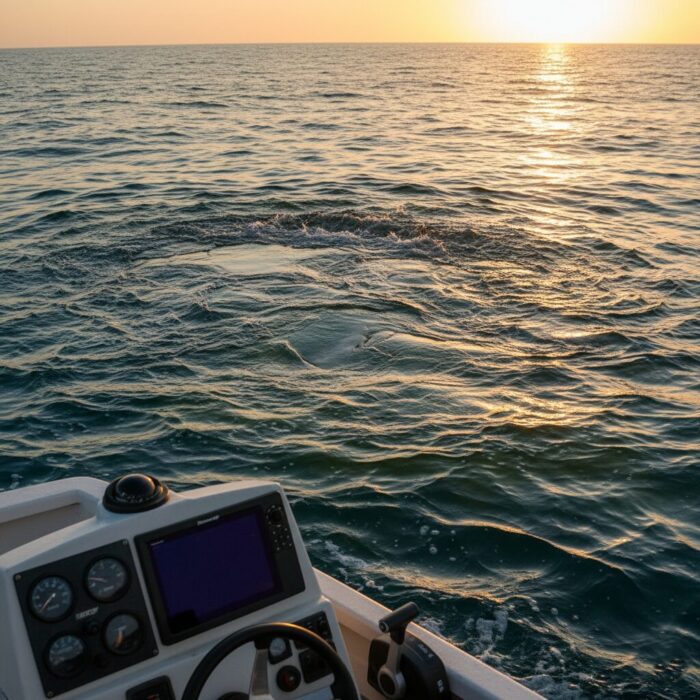
Currents are just as important as the tide. I watch how the surface ripples change around channel markers. These ripples indicate depth changes or hidden obstructions below the surface. Understanding these movements allows me to position my boat perfectly every single time.
Reading Structure and Bottom Composition
Structure is the home of the predator. I scan the seafloor for any change in the status quo. A simple drop-off or a patch of submerged rock acts as a magnet for game fish. I use my depth finder to locate these subtle transitions.
When I find a promising spot, I observe the water clarity and temperature. Fish are cold-blooded and sensitive to changes. If the water is too muddy or cold, I move on. I do not waste time in “dead” water. My goal is to find active fish, not just wet a line and hope for the best.
Tactical Gear Selection
Modern equipment has evolved significantly. I no longer carry a massive, heavy arsenal. Instead, I focus on gear that offers versatility and durability. My saltwater fishing techniques now rely on lighter, high-performance rods. These tools allow for more sensitivity and better bait presentation.
Precision and Performance
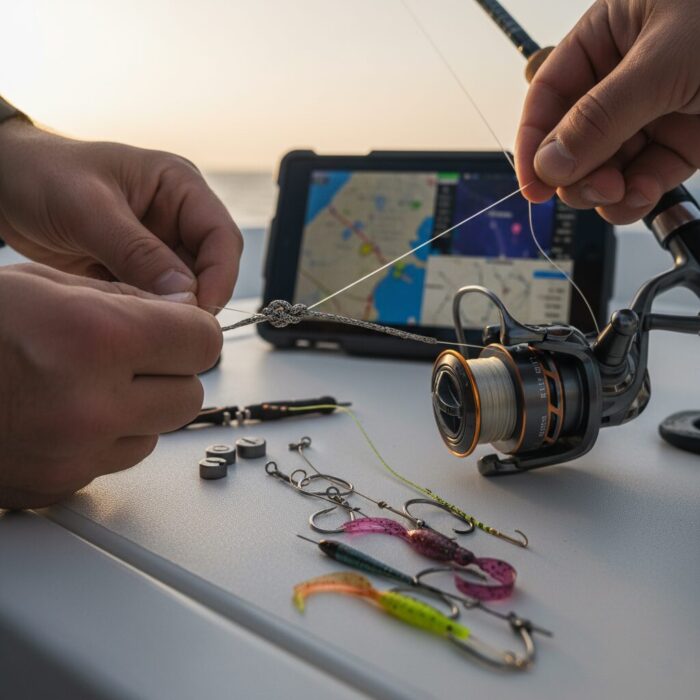
I prioritize braid-to-leader setups. This configuration gives me the strength I need with the stealth fish require in clear water. I use specialized knots that maintain nearly 100% of the line strength. My reels are strictly corrosion-resistant. Keeping them clean is part of my ritual.
Sustainability extends to the gear itself. I choose terminal tackle that is lead-free whenever possible. Toxic metals can linger in the ecosystem for decades. By switching to tungsten or non-toxic alternatives, I minimize my environmental footprint. It is a small change with a massive, positive impact on our fisheries.
Digital Tools for the Modern Angler
I integrate satellite mapping into my planning phase. I can identify sandbars and deep channels from my desk before I ever see the water. This saves fuel and minimizes habitat disruption. I also utilize mobile apps to log catch data.
Logging my catches helps me spot patterns over time. I note the wind direction, water temperature, and moon phase. This data turns every trip into a learning opportunity. Over time, these logs become the most valuable tool in my boat. Technology should assist your instinct, not replace it.
Species-Specific Tactics
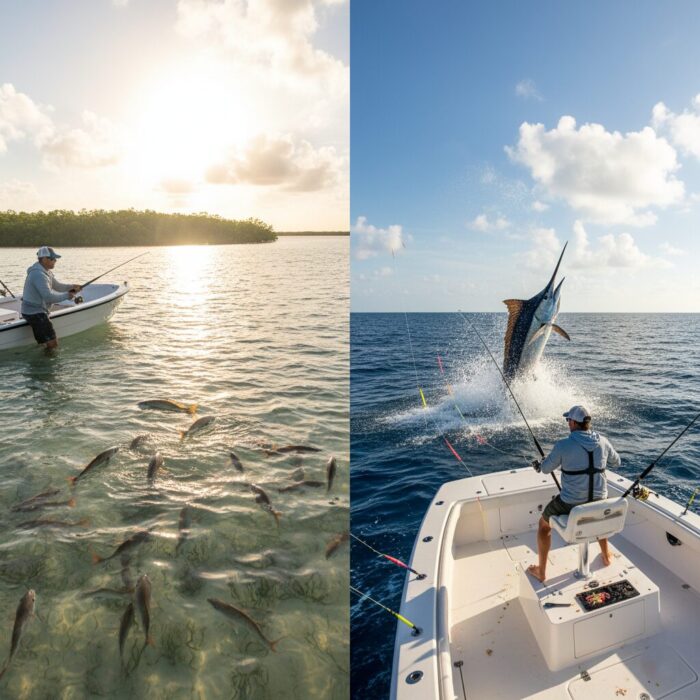
To catch your target, you must play by their rules. Inshore and offshore environments require vastly different approaches. Inshore, I am a hunter. I target species like redfish, speckled trout, and snook. These fish are masters of stealth. I prioritize quiet approaches and precise casting. When fishing the flats, I often use a push pole to move my boat without spooking the school.
Inshore Strategy: Precision and Stealth
Inshore, timing is everything. I watch the tide movement closely. As the water pushes into the marsh, predator fish follow the bait. I cast toward structure—docks, oyster bars, or grass edges—where fish hide.
My favorite inshore method is sight casting. I scan the water for nervous bait or the “tailing” of a redfish. It is an adrenaline rush that keeps me coming back. I use lighter tackle here to ensure the fish fights naturally. It’s not just about the gear; it’s about reading the mood of the water.
Offshore Strategy: Power and Endurance
Offshore is a different game entirely. We are talking about pelagic species like tuna, marlin, and mahi-mahi. These fish are powerful and travel vast distances. My strategy shifts to trolling and deep-water jigging. I use larger boats that can handle open swells.
Efficiency is king offshore. I use outriggers to spread my lines wide. This covers more ground and attracts predators from deeper waters. When a strike hits, the action is explosive. My gear must be durable and well-maintained. I never leave the dock without double-checking my drag settings and terminal tackle. Offshore fishing is a test of strength and endurance against the ocean’s giants.
Best Practices for Catch, Release, and Conservation
The final piece of the puzzle is how we handle our catch. Even if you plan to keep fish for dinner, ethical handling is paramount. My goal is to ensure the fishery remains vibrant for my children and theirs. I treat every fish with extreme care, regardless of its size or species.
The Art of Proper Handling
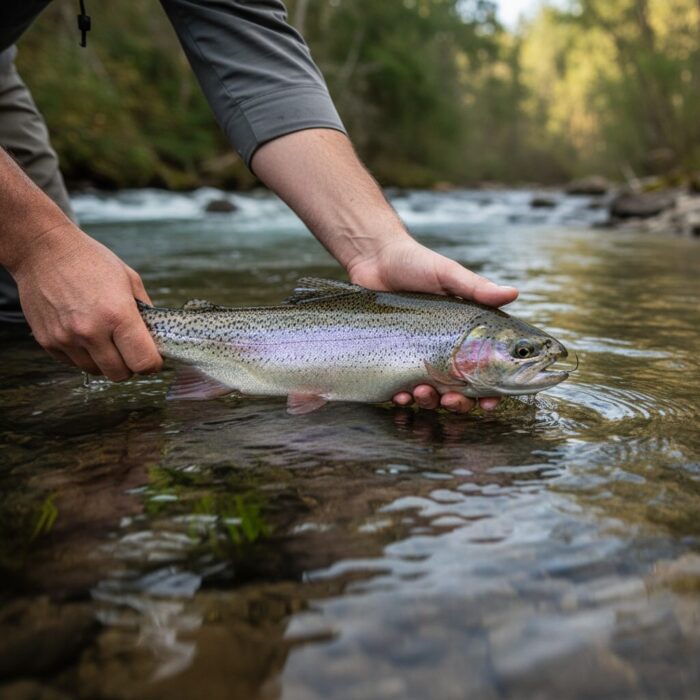
If I am releasing a fish, I keep it in the water whenever possible. Handling a fish with dry hands removes its protective slime coat. This coat is vital for preventing infection and disease. I always wet my hands thoroughly before touching any fish I intend to release.
If I must bring a fish aboard for a quick photo, I support its full weight horizontally. Never lift a fish by its jaw or gills, as this can cause permanent internal damage. A quick, efficient release increases the survival rate significantly. I always use barbless hooks to make removal easier and less traumatic for the fish.
Respecting the Limits
Sustainability is not just a buzzword; it is a code of conduct. I strictly adhere to local bag and slot limits. Just because you can keep a fish does not always mean you should. I often choose to release the largest, breeding-age fish to protect the population’s future.
I also participate in local tagging programs. These initiatives provide scientists with valuable data on fish migration and growth rates. Contributing to the science of fishing makes me feel more connected to the resource. We are not just participants in this ecosystem; we are its guardians. By following these sustainable fishing strategies, we ensure the sport remains a challenge and a joy for generations to come.
When you head out on the water, what is the one ‘gut instinct’ sign—be it a change in the wind, a shift in the birds, or the tide—that tells you it’s finally time to cast your line?