
Table of Contents
The Performance Revolution
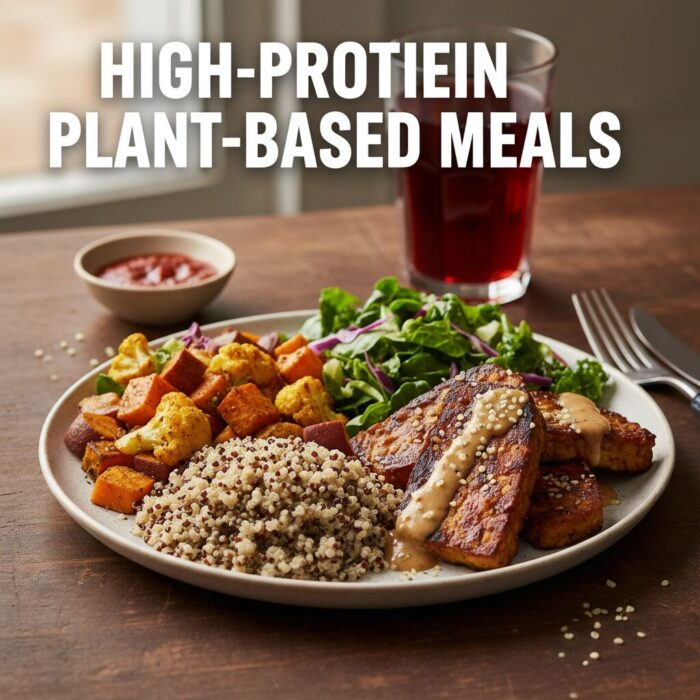
I remember the first time I traded a traditional post-workout meal for a plant-based alternative. I expected to hit a wall, but I felt surprisingly energized. Shifting to high-protein plant-based meals isn’t just a trend; it’s a strategic move for modern health. I have learned that nutrient-dense vegan recipes provide the clean fuel my body craves without the sluggishness of heavier, animal-based options.
When I talk about satisfaction, I mean deep, lasting energy. My approach centers on plant-based endurance fueling, utilizing high-quality proteins to support muscle synthesis and recovery. It is about precision. I focus on whole, unrefined foods that deliver the amino acids and fiber necessary for long-term health. We are no longer settling for side salads; we are building meals that work as hard as we do.
The goal is simple: maximize nutrient density. By choosing ingredients that do double duty—providing protein and essential micronutrients—I can eat fewer calories while feeling more satisfied. This is the cornerstone of the modern high-protein plant-based movement, and it starts with what is on your plate tonight.
Essential Components (The High-Protein Toolkit)
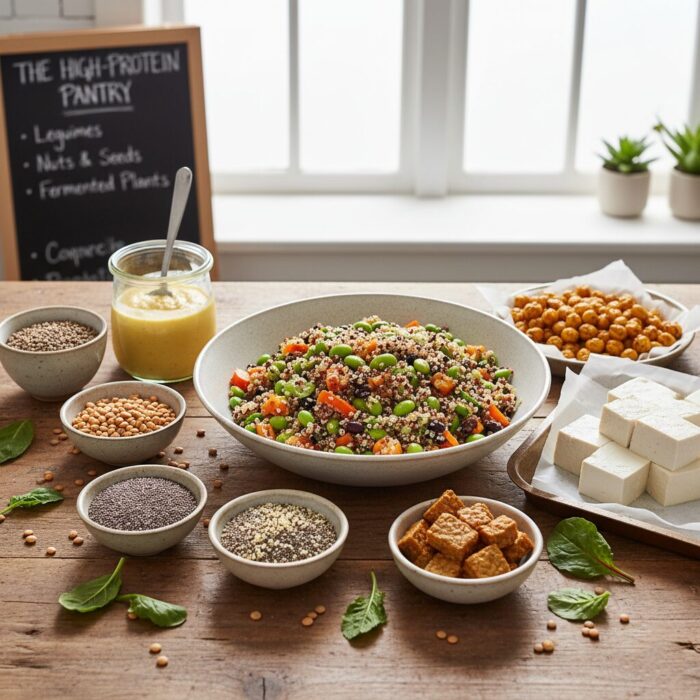
When I transitioned, the biggest misconception I faced was the “protein gap.” Many people still believe that plants cannot provide the building blocks for muscle repair. I have found the exact opposite. My pantry is built on a foundation of versatile, protein-rich staples that never leave me hungry.
The Powerhouse Legumes
Lentils and chickpeas are my non-negotiable bases. I keep a batch of pre-cooked lentils in my fridge at all times. They are perfect for salads, stews, or even as a base for veggie burgers. I also rely on edamame; it offers a complete amino acid profile that is ideal for post-workout recovery.
Seeds, Nuts, and Whole Grains
I treat seeds like gold. Hemp hearts, chia seeds, and pumpkin seeds are my secret weapons. A single tablespoon of hemp hearts adds a massive nutrient boost to any smoothie or oatmeal bowl. I also prioritize quinoa and farro. Unlike refined grains, these ancient powerhouses pack a significant protein punch while providing complex carbohydrates for sustained energy.
Fermented Proteins and Tofu
Tempeh is vastly superior to standard tofu in terms of texture and protein density. Its nutty, earthy flavor holds up to bold marinades, making it the perfect centerpiece for a savory meal. I always keep a block of extra-firm tofu ready, too. When pressed and marinated, it becomes a canvas for virtually any global flavor profile I crave.
Satisfying Flavor Architecture (Beyond Bland)
The biggest barrier to a high-protein, plant-based diet isn’t the science; it’s the seasoning. A bowl of plain lentils will never “satisfy” a palate trained on rich, umami-heavy animal proteins. To thrive on a plant-based diet, I had to learn the architecture of flavor—specifically, how to create depth without meat.
Mastering the Umami Factor
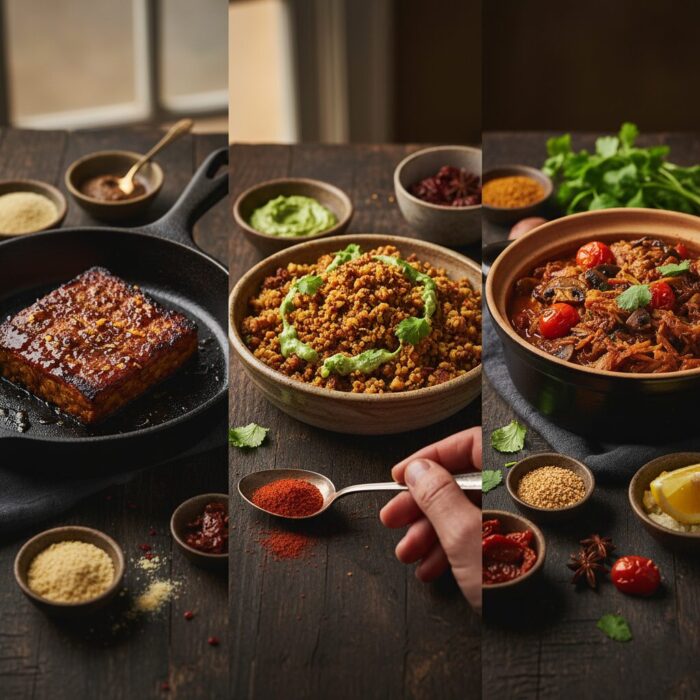
Umami is that savory, mouth-coating sensation that keeps us coming back for more. In a meat-free kitchen, I rely heavily on “umami bombs.” Miso paste, sun-dried tomatoes, nutritional yeast, and soy sauce are the anchors of my recipes. These ingredients don’t just add salt; they add structural complexity to soups, roasted vegetables, and grain bowls.
The Texture Transformation
Texture is just as important as taste. When I prepare plant-based proteins, I don’t just boil them. I roast, sear, and crumble to alter the mouthfeel.
- Sear: I sear tempeh or tofu in cast iron to create a crispy exterior that mimics a crust.
- Crumble: I pulse walnuts and lentils together to create a “meat-like” crumble for tacos or bolognese.
- Slow-Cook: I slow-cook jackfruit or mushrooms to break down their fibers, resulting in a tender, pull-apart texture.
Layering Aromatics and Acid
I never finish a meal without a pop of acid. A squeeze of fresh lemon, a dash of rice vinegar, or a pinch of sumac can “lift” a dense protein meal, preventing it from feeling heavy. I treat spices like a language—toasted cumin and smoked paprika give my beans a smoky, campfire depth, while ginger and garlic provide the brightness needed for my stir-fries.
By building flavor from the base up, I ensure that my plant-based meals are not just healthy, but crave-worthy.
The Athlete’s Plate (Meal Prep for Endurance)
Consistency is the secret to endurance. If I don’t have nutrient-dense, high-protein meals ready, I’m far more likely to grab whatever is convenient—and in our modern food environment, “convenient” is rarely synonymous with “performance-fueling.”
The Architecture of a Balanced Meal
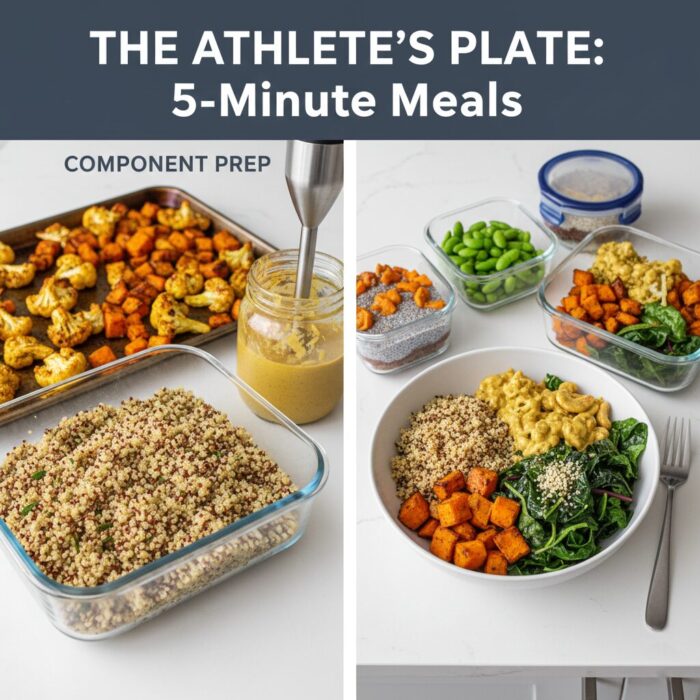
I structure my plate based on the “Athlete’s Ratio”: 50% colorful plants, 25% complex slow-burn carbohydrates, and 25% high-protein plant sources. This ensures that my muscles get the amino acids they need for repair while my glycogen stores are replenished for the next training session.
Meal Prep for Maximum ROI
I don’t spend all day Sunday in the kitchen. I focus on “Component Prep” rather than “Meal Prep.”
- Bulk Grains: I cook a massive pot of quinoa or brown rice.
- Roasted Roots: I roast sweet potatoes and cauliflower with turmeric and smoked paprika.
- Batch Sauce: I blend a high-protein cashew and nutritional yeast sauce to act as a creamy dressing or protein-packed dip throughout the week.
By having these three building blocks ready, I can assemble a high-protein bowl in less than 5 minutes on a busy weekday evening. It turns the daunting task of healthy cooking into a streamlined, automated process.
The “Grab-and-Go” Protein Boost
For those days when I am on the move, I rely on nutrient-dense, portable snacks. I keep homemade lentil-nut crackers, edamame pods in the freezer, and high-protein chia seed pudding jars stocked in the fridge. These are my insurance policy against energy crashes.
Recovery & Sustainability (Long-term Vitality)
The final piece of the high-protein plant-based puzzle is recovery. When I push my body to its limits, I need nutrition that actively fights inflammation. Plants are naturally abundant in antioxidants, but to maximize recovery, I focus on specific “repair” nutrients that stabilize my system for the long haul.
Inflammation Control
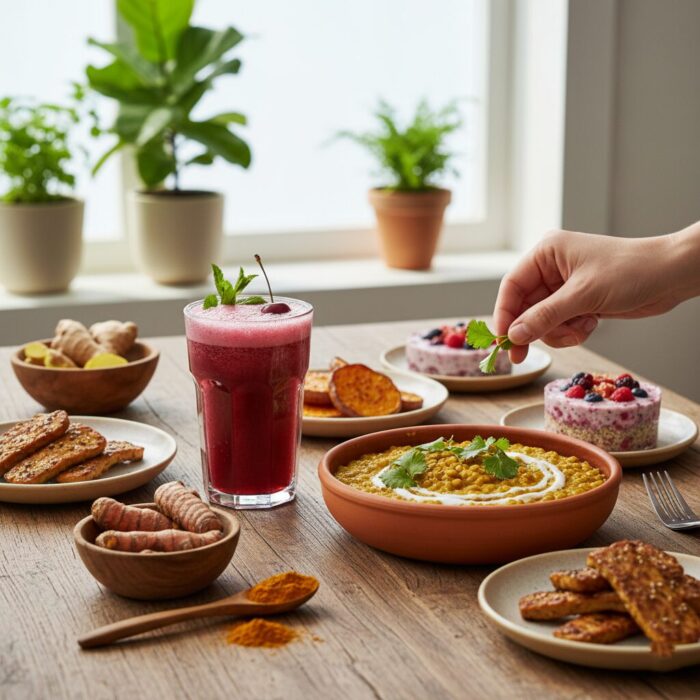
After a heavy training day, I turn to turmeric, ginger, and tart cherry juice. These aren’t just flavors; they are potent anti-inflammatory agents. I often integrate these into my high-protein meals—for example, a turmeric-spiced lentil dal or a ginger-soy tempeh stir-fry.
The Sustainability Loop
Eating this way is the ultimate expression of long-term thinking. It’s not just about my personal recovery; it’s about the recovery of the planet. By sourcing plant-based proteins, I am drastically reducing my water and carbon footprint. When I choose dry-farmed legumes or locally sourced organic tofu, I feel a deeper connection to the food cycle.
Sustainability also means staying consistent. If you force yourself to eat foods you dislike, you will burn out. I’ve found that by prioritizing high-protein, nutrient-dense recipes that are genuinely delicious, I’m not just “dieting”—I’m building a lifestyle that supports both my peak performance and the longevity of the environment.
When you try to incorporate more plant-based meals into your routine, what is the one ‘missing link’—is it the time to prepare them, the flavor, or the concern about getting enough protein?