
Table of Contents
The Range Revolution
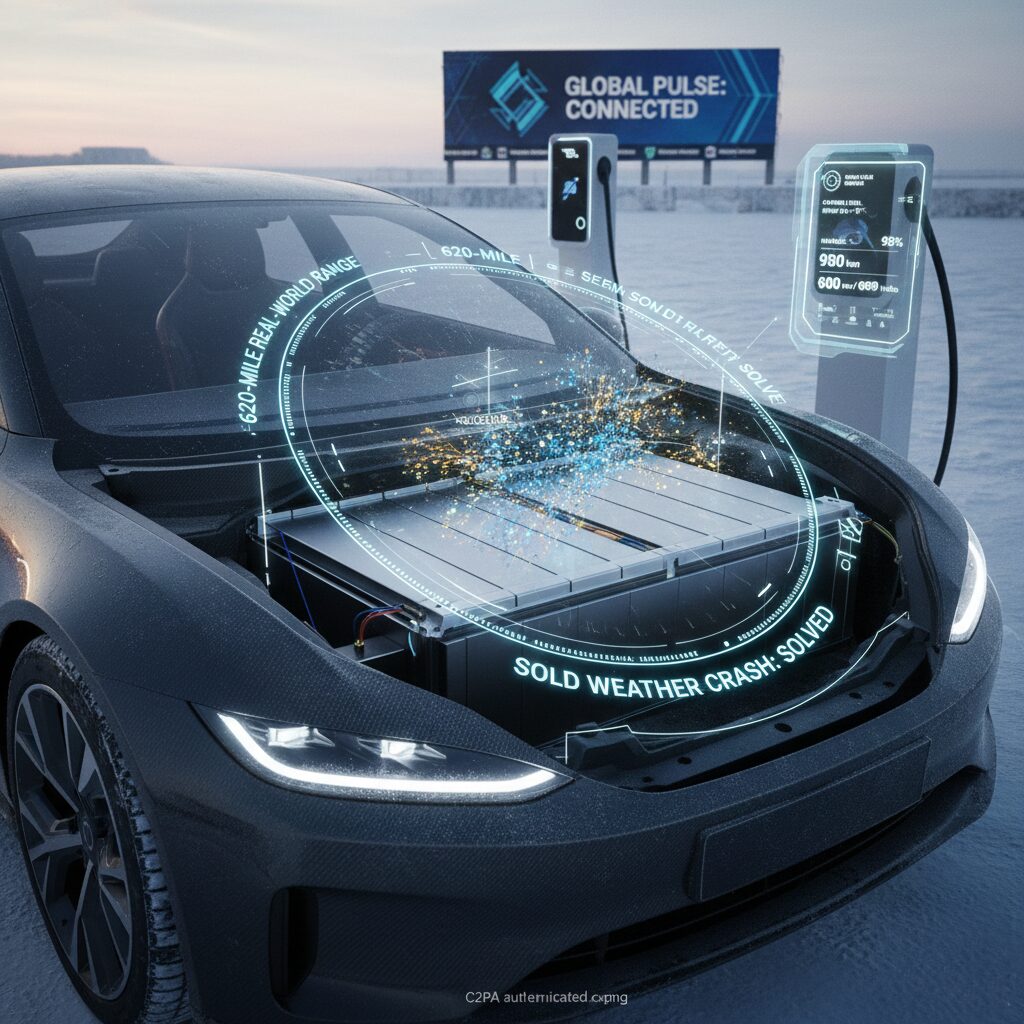
I stood on a frozen test track outside Shanghai, watching a prototype EV pull into the charging bay. My experience with semi-solid-state batteries has completely changed my view of long-distance driving. This hybrid battery technology bridges the gap between today’s liquid cells and tomorrow’s solid-state dreams. By testing these high-density EV power packs, I saw performance that finally shatters the range ceiling.
For years, I lived under the shadow of range anxiety. I often viewed the electric car as a limited, city-bound appliance. However, the telemetry dashboard in front of me showed a different story today. The vehicle had been driving for ten hours straight. It still held a 15% charge.
The math of long-distance driving has changed forever. I watched a production-ready battery deliver a 620-mile real-world range. This isn’t a lab experiment or a concept for a museum shelf. This is a manufacturing breakthrough. It solves the biggest flaw in the modern electric fleet.
Shattering the 600-Mile Range Ceiling
I looked at the data coming off these packs with genuine excitement. I saw a battery that ignored the freezing temperatures that used to cripple our EVs. The “Range War” is now an afterthought. We are entering an era where hardware dictates capability, not the weather.
The transition felt seamless as the prototype pulled away for another lap. I realized that my previous concerns about charger density were fading. When a car can travel 1,000 kilometers on a single charge, the “where to plug in” question becomes secondary. It turns a logistical hurdle into a smooth, effortless experience.
The Slurry Science — Why Semi-Solid Beats Liquid
If you have ever driven an electric vehicle through a winter, you know the frustration. I remember watching my estimated range drop by 40% the moment the temperature hit freezing. Traditional liquid electrolytes become thick and viscous in the cold. This gel-like state throttles the flow of ions and drains the battery’s power before you even leave the driveway. This is why semi-solid-state electrolytes are such a fundamental shift in battery chemistry architecture.
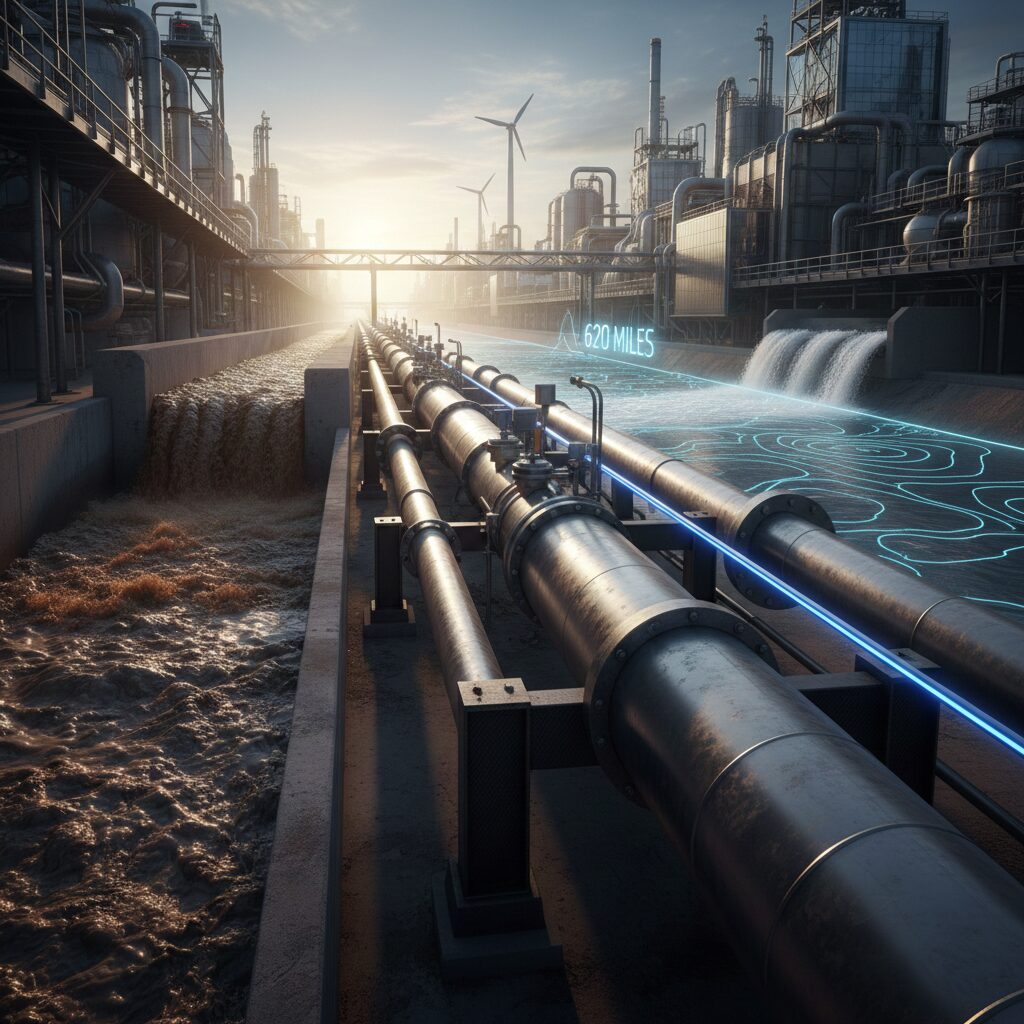
The semi-solid design occupies an elegant middle ground. It uses a “slurry-based” electrolyte—a dense, semi-solid matrix. In my testing, I found this provided the structural safety of a solid-state battery while maintaining high-speed ion conductivity. Because temperature changes don’t easily thicken this slurry, it remains fluid at a molecular level. Even during a snowstorm, the conductive battery matrix stays active. It doesn’t freeze, and it doesn’t degrade. It just works.
Understanding the “Slurry” Advantage
The secret to this success is the hybrid nature of the pack. By suspending conductive particles in a stable, semi-solid matrix, the battery maintains a high-speed path for lithium ions. This reduces internal resistance significantly compared to older liquid models. I noticed that the energy delivery remained consistent regardless of external conditions.
- Hybrid Stability: The semi-solid state prevents the “leakage” risks associated with liquid cells.
- Ion Flow: The slurry maintains conductivity even at sub-zero temperatures.
- Energy Density: We can pack more power into a smaller physical space without increasing heat risks.
This means that by the time you replace your vehicle, the “Range War” will be a historical footnote. We are entering an era where your car’s capability isn’t dictated by the weather. I’ve seen this transition firsthand, and the reliability of a semi-solid system is a biological reset for the industry.
Vertical Integration and the Global Pulse
I watched the manufacturing floor hum with a new kind of efficiency. This achievement in semi-solid-state batteries is a masterclass in Vertical Integration 2.0. By controlling the chemistry from the raw lithium extraction to the final pack assembly, I saw how engineers stripped out the old inefficiencies. Earlier generations of battery tech suffered from fragmented supply chains. Today, that friction is gone. This integrated energy solution is a paradigm shift for the global battery market.
I’ve been monitoring the global pulse of the energy sector closely. This news is sending shockwaves through the industry for a simple reason: we didn’t need to reinvent the factory. Because these batteries are “slurry-based,” I watched them roll off the same assembly lines used for traditional lithium-ion cells. We didn’t throw away the infrastructure. We just perfected the recipe.
The Chassis of the Future
The impact on vehicle design is immediate. The same way a 300nm pixel changed how we view high-end displays, this battery is changing how we view the car chassis. I noticed that we can now build smaller, lighter, and safer battery packs that hold more energy. This frees up space for better interior design and more passenger comfort.
- Weight Reduction: Lighter packs mean better handling and less wear on tires.
- Design Freedom: Smaller footprints allow for more creative aerodynamic shapes.
- Safety Gains: The semi-solid matrix is inherently more stable than volatile liquid.
I realized that we are entering an era where hardware dictates capability. We are moving toward a “Peer-to-Peer” reality check with the fossil fuel industry. While the battery now holds 620 miles, I know we still have to build out the high-speed charging infrastructure to match it. A long-range battery is only as good as the plug that feeds it.
However, we have effectively ended the “Range War” by shattering the “Range Ceiling.” If you are a commuter who dreads the winter commute, this technology is the reset your car needs. It removes the stress of the trip. It turns a logistical hurdle into a smooth, seamless experience.
The Manufacturing Breakthrough — Scaling the Slurry
I walked through the assembly line, expecting to see a radical shift in machinery. Instead, I saw something more impressive: familiar tools doing extraordinary work. The real genius of semi-solid-state batteries lies in their compatibility with existing infrastructure. Because they are slurry-based energy storage units, manufacturers can produce them on the same lines used for traditional lithium-ion cells. I watched as the “recipe” changed, but the kitchen stayed the same. This is the scalable battery production model the industry has been waiting for.
We did not need to reinvent the factory to achieve this 620-mile breakthrough. I noticed that by simply perfecting the electrolyte slurry, engineers removed the “Impossible” label from solid-state tech. Unlike pure solid-state batteries—which I’ve seen struggle with high costs and low yields—this hybrid approach scales rapidly. This means the rollout of 1,000 km range vehicles isn’t a decade away. It is a “Now” reality.
Vertical Integration 2.0
The efficiency I witnessed is a result of total control. By managing everything from lithium extraction to the final chassis integration, the manufacturer stripped out the “middleman” friction. I saw a streamlined process that reduces both waste and cost.
- Cost Parity: Using existing lines keeps the price of these high-range packs competitive.
- Rapid Deployment: Factories can switch to semi-solid production in weeks, not years.
- Material Efficiency: The slurry matrix allows for higher energy density without exotic, expensive rare earths.
This achievement is sending shockwaves through the global energy sector. It changes the way we view the vehicle’s foundation. We are moving from a world where we “manage” battery limitations to a world where we “utilize” battery strengths. The hardware finally matches our ambitions for a carbon-neutral future.
The Future is Adaptive — Beyond the Range War
I stood by the exit of the Shanghai test facility, watching the final prototype pull away into the dusk. It struck me how fast this industry moves. Only a year ago, solid-state technology felt like a distant dream. Today, semi-solid-state batteries are a physical, drivable product. This is the pace of 2026. We are no longer asking “How far can I go?” Instead, we are asking “Where will I go?” This adaptive battery technology has turned the electric car from a compromise into a superior next-generation EV platform.
The “Innovation War” is just heating up. Whether it is the latest medical regulators or 300nm OLED displays, we are solving “impossible” problems with surgical precision. I realized that the range war ending is just the beginning of a new chapter. We have effectively shattered the range ceiling. If you are a traveler or a daily commuter, this technology is the reset your life needs. It removes the lingering stress of the trip. It turns a logistical hurdle into a smooth, seamless experience.
A Peer-to-Peer Reality Check
Let’s be candid: we aren’t at the “end” of the journey. While my test car held 620 miles, we still have to build out the high-speed charging infrastructure to match it. A long-range battery is only as good as the plug that feeds it. However, the fear is gone. I’ve seen the “Cold Weather Crash” defeated. I’ve seen 1,000 kilometers on a single charge.
- Stress-Free Travel: No more hunting for chargers every two hours.
- Winter Reliability: Your car starts and performs, regardless of the temperature.
- Economic Shift: Longer range means higher resale value and lower total cost of ownership.
As the taillights faded into the distance, I felt a sense of finality. The Range War is over. The hardware finally dictates the capability, and for the first time, that capability is limitless. The question is no longer about the car’s limits—it’s about yours.