Table of Contents
Every generation, it seems, frets that “the language is being ruined.” I remember hearing my grandparents lament the “casualness” of my parents’ speech, just as my parents eventually raised an eyebrow at my teenage vocabulary. Now, as I watch new words and phrases pop up in texts, tweets, and comments, I see the cycle continuing. But instead of fearing the perceived degradation, I’ve come to believe that internet slang is actually the most exciting part of how culture evolves. It’s a vibrant, dynamic, and incredibly efficient way we connect, adapt, and build community in the digital age.
The Myth of “Pure” Language
The idea that there’s a “pure” or “correct” form of language that’s being corrupted by slang is a myth as old as language itself. Go back through history, and you’ll find similar laments about Shakespeare’s coinages or the rise of “vulgar” English over Latin. Language has always been a living, breathing entity, constantly morphing to fit the needs of its speakers. It absorbs, discards, and reinvents itself with every passing generation. Internet slang is simply the accelerated version of this historical process. It’s a testament to our innate human creativity and our drive to find new, more expressive ways to communicate complex ideas quickly.
The Accelerating Force of the Internet
What makes internet slang different is its speed. Before the internet, new words and phrases would percolate through communities, often taking years or decades to spread widely. Think of how long it took for phrases from specific subcultures to hit mainstream consciousness. The internet, however, is a linguistic superhighway. A new term can be coined in a niche online community today and be understood globally by tomorrow. Memes, for instance, are the ultimate example of this. A complex idea, an inside joke, or a nuanced emotion can be encapsulated in a single image and a few words, instantly recognized by millions across different cultures and continents. This acceleration isn’t a bug; it’s a feature, allowing for unprecedented levels of rapid cultural exchange and linguistic innovation.
Efficiency and Emotional Nuance: Beyond Mere Shortening
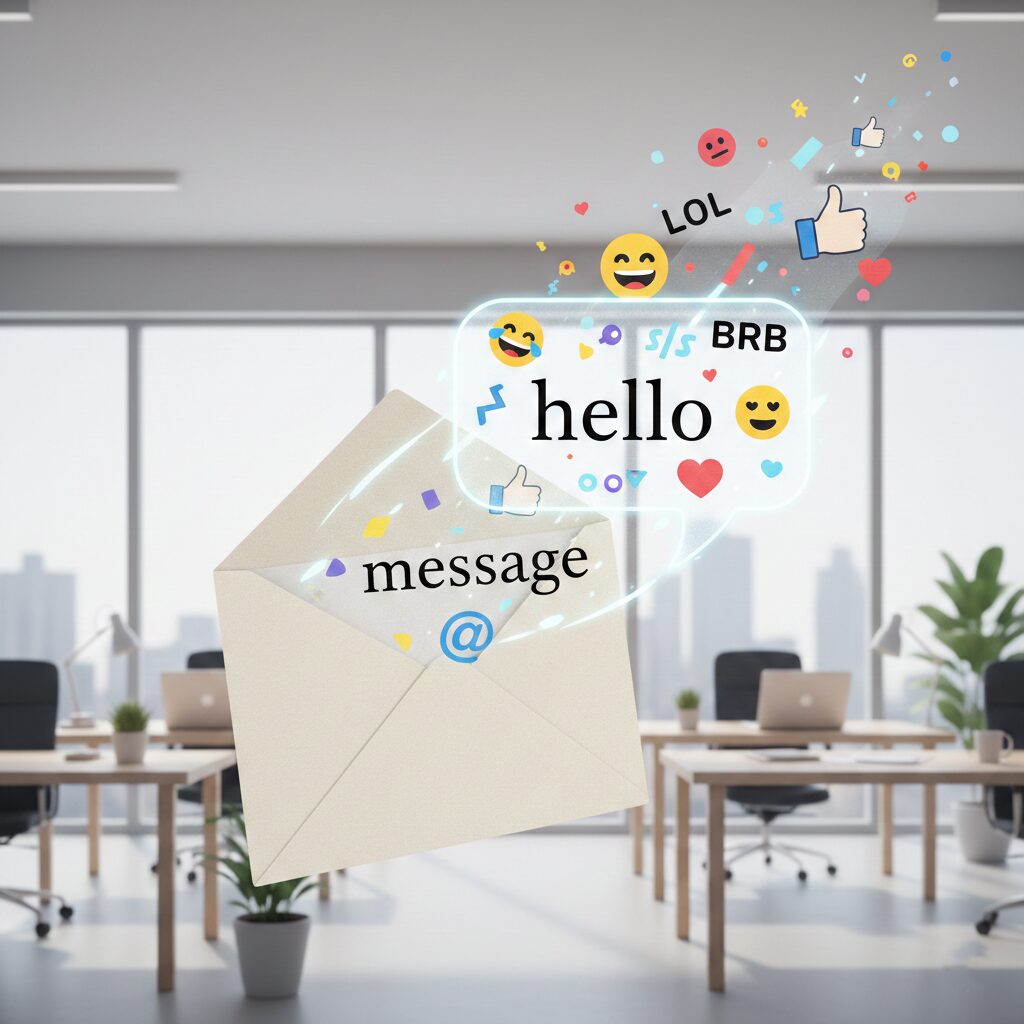
Critics often dismiss internet slang as simply “shortening” words because we’re too lazy to type. While abbreviations like “LOL” or “BRB” certainly serve an efficiency purpose, the real power of internet slang goes much deeper. It’s about conveying emotional nuance and shared context that traditional language sometimes struggles with.
Consider terms like “simp,” “ghosting,” or “doomscrolling.” These aren’t just shortcuts; they encapsulate entire social phenomena, emotional states, and behavioral patterns that would take several sentences to explain in formal language. When someone says they’re “doomscrolling,” you instantly understand the specific blend of anxiety, compulsion, and information overload they’re experiencing. This linguistic shorthand fosters a sense of immediate understanding and shared experience within communities, creating a powerful bond between communicators. It’s less about laziness and more about precision and emotional resonance.
Building Digital Identity and Community
Language is a fundamental building block of identity. The way we speak, the slang we use, signals who we are, where we belong, and what groups we identify with. Internet slang takes this to a new level. Participating in specific online communities—whether it’s a gaming forum, a fan group, or a professional network—often involves learning and using its unique lexicon. This shared vocabulary acts as a social lubricant, a badge of belonging, and a barrier to outsiders. It creates an immediate sense of “us,” fostering connection and trust among members.
I’ve seen this firsthand in various online groups. When I first joined a particular niche forum, I felt like an outsider until I started picking up on the specific acronyms and inside jokes. Once I could fluently participate in the linguistic patterns, I felt integrated, understood, and part of the collective identity. This isn’t trivial; in an increasingly fragmented world, these digital linguistic ties are crucial for building new forms of community.
The Democratization of Language
Historically, language change was often dictated from the top down—by scholars, poets, or formal institutions. The internet has fundamentally democratized this process. Anyone, anywhere, with an internet connection can coin a new phrase, start a new trend, or challenge existing linguistic norms. The power now rests with the collective. If a term resonates, if it effectively captures a new idea or emotion, it spreads organically, driven by user adoption rather than academic decree. This grassroots evolution ensures that language remains relevant and responsive to the actual needs and experiences of everyday people.
The Evolution of Grammar and Punctuation
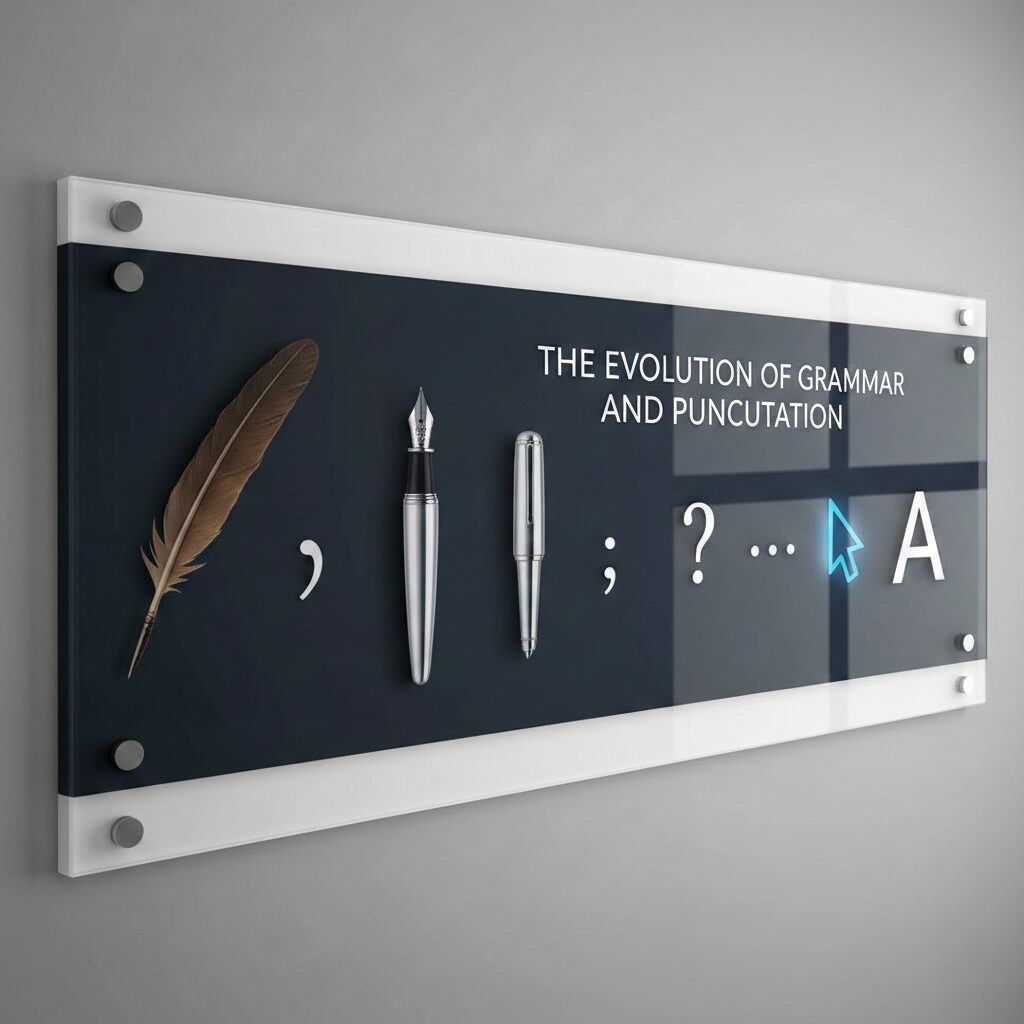
It’s not just new words; internet slang also plays fast and loose with traditional grammar and punctuation, and that’s not always a bad thing. Consider the rise of the “sarcastic period” at the end of a sentence for emphasis, or the intentional misspelling for comedic effect. These are not errors; they are deliberate stylistic choices designed to convey tone and emotion that might otherwise be lost in text-based communication.
I used to be a stickler for formal grammar in all my writing. But as I spent more time online, I began to appreciate how these deviations could add personality, humor, and a specific voice that felt more authentic. It’s about expanding the expressive toolkit, not necessarily dismantling the old one. We now have a wider range of linguistic registers to choose from, adapting our communication to the context and the audience.
Bridging the Gap Between Online and Offline
What starts online rarely stays online. Internet slang inevitably leaks into our offline conversations, changing the way we speak face-to-face. This continuous cross-pollination enriches our overall linguistic landscape. It means that the language we use in formal settings has to adapt, slowly incorporating terms that have proven their utility and expressive power in the rapid-fire crucible of online interaction.
This constant push and pull between formal and informal language, between established norms and emerging trends, is precisely how language remains vibrant and prevents stagnation. It reflects a dynamic culture that is always learning, always adapting, and always finding new ways to connect.
The Future of Communication
So, should we fear the “ruining” of language by internet slang? Absolutely not. We should embrace it as a sign of linguistic vitality and cultural dynamism. Internet slang is a powerful engine of innovation, allowing us to communicate with greater efficiency, deeper emotional nuance, and a stronger sense of shared identity than ever before. It’s a testament to the human desire to connect, to express, and to evolve.
The next time you hear a new piece of internet slang, instead of groaning, consider its origin, its utility, and the community it helps to build. You might just find yourself saying, “Okay, boomer,” in the best possible way. This ongoing evolution is not a degradation; it’s a celebration of language in its most natural, flowing state.