
Table of Contents
I remember the year my friend, who celebrates Lunar New Year, sent me a frantic text: “It’s so early this year! I haven’t even taken down my Christmas decorations!” And then, a few weeks ago, another friend, preparing for Ramadan, looked at me with confusion, “Didn’t Ramadan start in March last year? Why is it now in February?”
This confusion isn’t new. For years, I found myself bookmarking different websites, checking multiple sources, and still feeling a little lost about when some of the world’s most vibrant and important holidays would fall. From the festive lights of Diwali to the reflective period of Ramadan, and the joyous family gatherings of Lunar New Year and Easter, these celebrations often seem to “move” on our familiar Western calendars.
I used to think it was just random, a yearly mystery. But what I discovered completely changed how I track global events. It’s not random at all. It’s all about the moon, the sun, and a fascinating dance of celestial mechanics that has shaped human cultures for thousands of years. Let me pull back the curtain on this beautiful system and show you how to finally understand why these dates shift, and better yet, how to track them yourself.
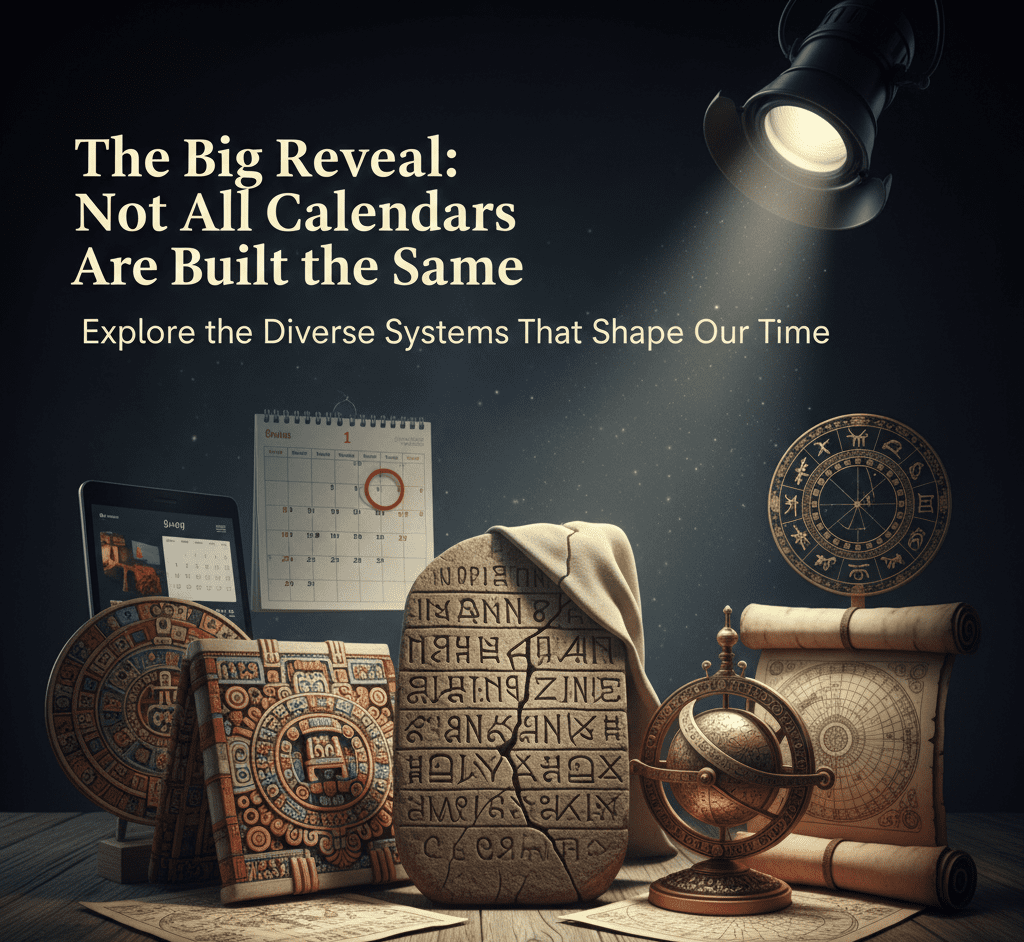
The Big Reveal: Not All Calendars Are Built the Same
The first thing I had to wrap my head around was that the calendar hanging on my wall, the one with twelve months and 365 days, isn’t the only way to measure time. In fact, people around the world utilize three major calendar types, and this is just one of them. Understanding these differences is the key to unlocking the mystery of shifting holidays.
1. The Solar Calendar (Our Familiar Friend)
This is the calendar you likely use every day. I know it as the Gregorian calendar. The solar system anchors this calendar to the Earth’s 365.25-day orbit around the sun. That extra quarter-day is why we have a leap year every four years – to keep everything perfectly aligned with the seasons. The solar calendar locks major public holidays, like New Year’s Day or Independence Day, to specific, unchanging dates. They don’t move.
2. The Lunar Calendar (The Moon’s Own Rhythm)
This is where the “mystery” begins for many. A lunar calendar follows the cycles of the moon, from new moon to new moon. This cycle takes about 29.5 days. Multiply that by twelve, and you get a year of only about 354 days.
Think about that for a second: a lunar year is roughly 11 days shorter than a solar year. This difference is precisely why holidays like Ramadan, which strictly follow a lunar calendar, appear to “drift” backwards by about 11 days each year when viewed on a solar calendar.
I remember once being in a country celebrating Ramadan, and the next year, because of this shift, the entire atmosphere was completely different – the weather, the length of the fasting days – all because the holiday had moved through the solar seasons.
3. The Lunisolar Calendar (The Best of Both Worlds)
This is arguably the most clever system, and it’s used for many of the holidays that seem to “jump around.” A lunisolar calendar tries to keep pace with both the moon’s phases and the sun’s annual cycle. How does it do this? By adding an extra “intercalary” or “leap” month every few years.
I once found myself trying to understand why Lunar New Year seemed to be in January one year and February the next. That’s the lunisolar calendar at work. It primarily follows the moon, but when it starts to get too far out of sync with the seasons (which would make agricultural planning impossible, for example), it adds that extra month to “catch up” with the sun. It’s a brilliant balancing act!
Unlocking the “Why”: Major Holidays Explained
Now that we know the three calendar types, the shifting dates make perfect sense. Let me break down some of the most commonly asked-about holidays:
- Ramadan: This holy month in Islam strictly follows the lunar Hijri calendar. Because a lunar year is shorter, Ramadan begins approximately 10-12 days earlier each year on the Gregorian calendar. I’ve seen it cycle through every season of the solar year over time, which means the experience of fasting can vary wildly depending on when it falls!
- Lunar New Year (e.g., Chinese New Year): This is a prime example of a lunisolar holiday. It typically falls on the second new moon after the winter solstice. The addition of a “leap month” every few years keeps it roughly aligned with late January or February in the solar calendar. I remember the excitement of preparing for Lunar New Year and seeing the dates jump, always wondering if it would be a cold start to the year or a slightly warmer one.
- Diwali: This Hindu “Festival of Lights” is also based on a lunisolar calendar. It’s usually celebrated around October or November, timed with the new moon in the Hindu month of Kartika. Like Lunar New Year, its solar calendar date shifts within a certain range due to the lunisolar system’s balancing act.
- Easter: This Christian holiday is fascinating because its date is a calculation based on both lunar and solar observations. It’s set to fall on the first Sunday after the first full moon occurring on or after the vernal (spring) equinox. This complex rule explains why Easter can be anywhere from late March to late April. I always found it a fun challenge to predict Easter’s date each year, often tracing it back to the first full moon after March 20th.
The Permanent Table: Your 10-Year Holiday Tracker
I’ve put together a permanent table for you, one that I wish I’d had years ago. This isn’t just a list of dates; it’s a window into the future of these incredible global celebrations. I’ve focused on the common range and the patterns, rather than exact predictions, as some calendars require complex astronomical calculations and local observations that can shift precise dates by a day or two.
Important Note: Exact dates for some holidays (especially those tied to visual moon sightings like Ramadan and Diwali) can vary slightly based on local astronomical observations and religious authorities. Always confirm with local calendars.
| Holiday / Calendar Type | Typical Solar Range | Pattern Explanation |
| Ramadan (Lunar) | Varies significantly, shifting backward ~11 days each solar year. | Follows pure lunar Hijri calendar; no adjustment for solar year. |
| Lunar New Year (Lunisolar) | Late January to Mid-February | Second new moon after Winter Solstice, with leap months. |
| Diwali (Lunisolar) | Late October to Mid-November | Based on the new moon in Kartika, adjusted to seasons. |
| Easter (Lunisolar/Ecclesiastical) | Late March to Late April | First Sunday after first full moon on/after spring equinox. |
I recommend noting these patterns and ranges. While exact day-to-day dates for future years of truly lunar holidays (like Ramadan) would be long, this table gives you the essential “when” and “why” so you’re never caught off guard.
Mastering the Shift: My Pro-Tips for Tracking
I’ve learned a few tricks that save me a lot of stress:
- Digital Calendars are Your Friends: I use an online calendar (you know the kind!) and add public holiday subscriptions for the regions I’m interested in. Most will automatically update with the correct “floating” dates.
- Follow Official Sources: For holidays like Ramadan, I always check the official pronouncements from religious authorities. Websites often publish these well in advance.
- Understand the “Why”: Knowing that Ramadan shifts because of the lunar calendar’s shorter year, or that Lunar New Year uses a leap month, takes away the anxiety. You’re not guessing; you’re understanding.
I want to hear from you: What’s a holiday you’ve always found confusing to track, or a “shifting” festival that you love to celebrate? Tell me about your experiences!
And for a fun challenge: Which calendar system do you find more fascinating – the steady rhythm of the Solar Calendar or the ever-changing dance of the Lunar/Lunisolar Calendars? Let me know which “team” you’re on in the comments below!