
Table of Contents
I’ll never forget the morning I saw my own face staring back at me from an AI-generated advertisement for a product I’d never even heard of.
The image was perfect—it caught the exact way I squint when I’m drinking coffee on my porch. But here was the chilling part: it wasn’t a photo I’d ever posted. It was a “synthetic reconstruction,” an AI-built ghost of me created from thousands of data points scraped from the background of old gym selfies, forgotten street-view maps, and public security footage. In that moment, the “Data Golden Age” felt more like a “Data Dark Age.” I realized that in 2026, privacy isn’t just about hiding; it’s about de-tracking.
The internet has become a giant vacuum. Every click, every “smart” appliance, and every facial recognition scan is a deposit into a database you don’t control. If you don’t build your own digital bunker, your personal life becomes someone else’s training data. This is the Encycloblog guide to the three pillars of modern, evergreen privacy.
Local-First AI: Bringing the “Brain” Home
For years, we were told that AI needed the cloud. We fed our private thoughts into ChatGPT and our medical queries into Google because we were convinced our laptops weren’t strong enough to handle the math. We traded our intellectual privacy for a convenient chat box.
The 2026 Reality: Your phone is now more powerful than a 2020 desktop. “Local-first AI” (or Edge AI) is the biggest privacy shift in a decade. By running open-source models (like Llama or Mistral) directly on your own hardware, your data never leaves your sight. It stays on your silicon, under your roof.
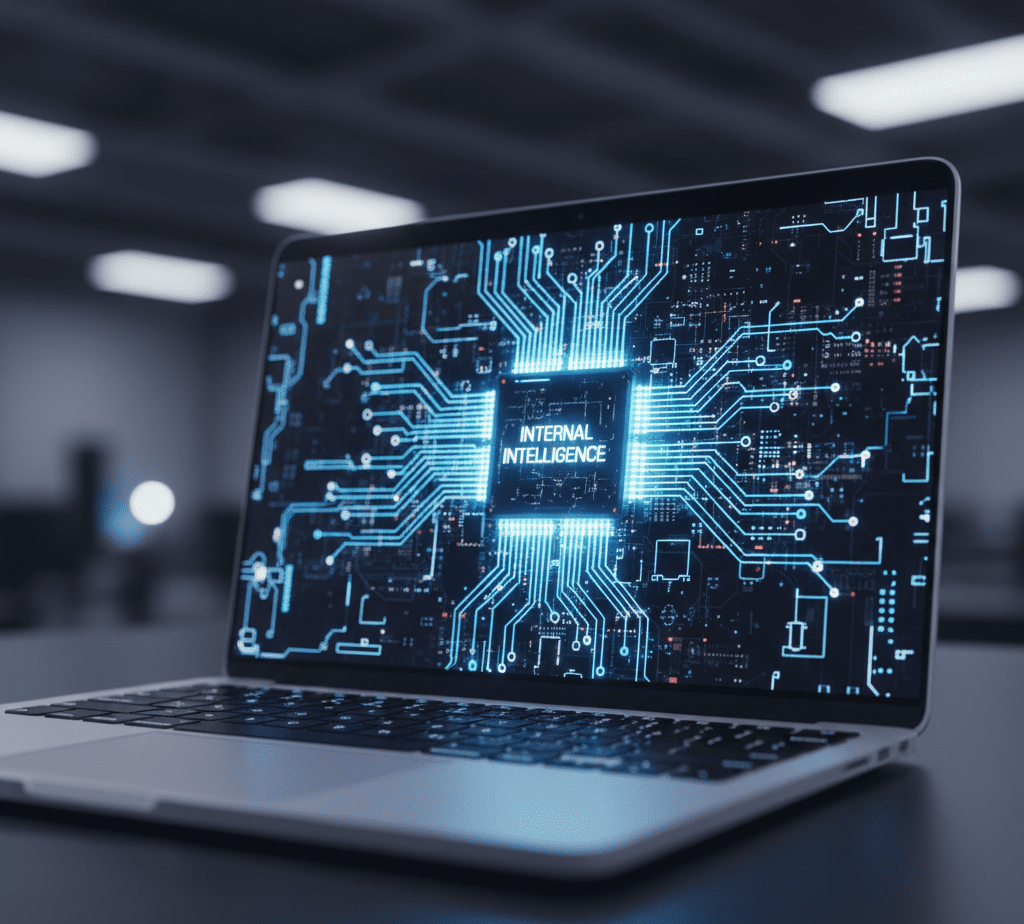
- The Evergreen Rule: If the AI is “free” and lives in a browser, you are the training data. If the AI lives in an
.appfile on your hard drive, you are the owner. - The Privacy Win: You can ask a local AI to help you draft a sensitive legal document, brainstorm a gift for a partner, or analyze a medical report with zero risk of a “server breach.” In 2026, the smartest person in the room is the one whose AI doesn’t have an internet connection.
Hardware Kill-Switches: The Physical “No”
Software is inherently “leaky.” Even if you toggle a setting to “Off” in your OS, a piece of sophisticated malware or a clever script can often bypass that command. We’ve all had that creeping feeling that our phone was “listening” even when the microphone was supposedly disabled. In 2026, “Privacy Purists” have moved back to the physical world with Hardware Kill-Switches.
I recently switched to a phone that has actual, mechanical sliders on the side. When I flick the “Camera/Mic” switch, I’m not just sending a digital command to the software—I am physically breaking the electrical circuit to those sensors.
- The Science: Without electricity, the sensor cannot record. It doesn’t matter how advanced the hacker’s AI is; they cannot bridge a physical gap in a copper wire.
- The Peace of Mind: There is a specific kind of relief that comes with seeing a physical gap in a circuit. We are seeing this trend explode in “VIP Modes” on mainstream laptops and even “Privacy Displays” that use AI-driven micro-lenses to make your screen unreadable to anyone but the person sitting directly in front of it.
Encrypted Comms: Fighting the “Great Scrape”
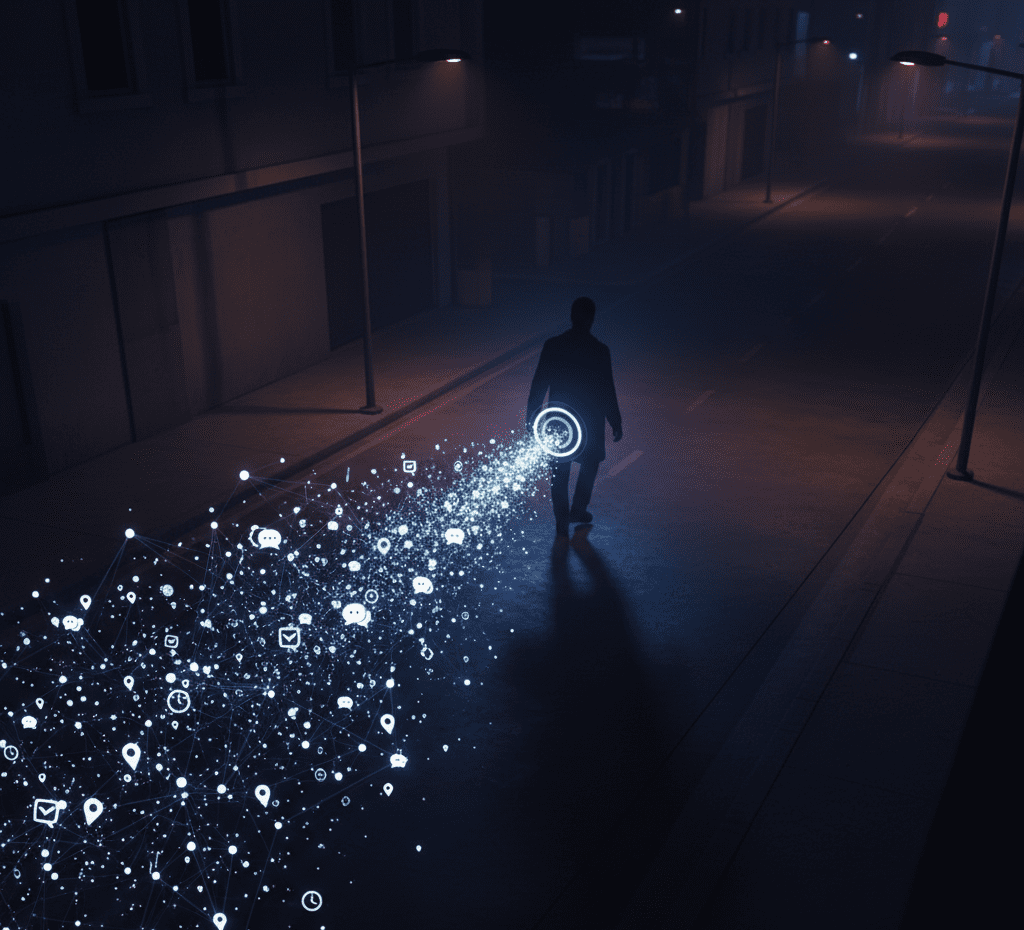
By now, most of us use Signal or WhatsApp. We know about end-to-end encryption. But in 2026, the threat has evolved from “eavesdropping” (reading the message) to “metadata scraping.” Even if a company can’t read what you said, they know who you talked to, where you were when you said it, and how long the conversation lasted. That’s enough for an AI to predict your next move with 90% accuracy.
To truly de-track, we have to look at metadata-minimizing tools.
- Anonymous IDs: Why does a “private” app need your phone number? Tools that use random 8-digit IDs instead of personal identifiers (like Threema or Briar) ensure that your conversations can’t be linked back to your SIM card or real-world identity.
- Post-Quantum Cryptography (PQC): The biggest evergreen concern is “Store Now, Decrypt Later.” State actors and hackers are saving encrypted data today, waiting for 2030s-era quantum computers to crack it. The gold standard for 2026 is PQC—encryption designed to be “quantum-proof,” ensuring your 2026 secrets stay secret in 2036.
The De-Tracking Checklist
If you want to start your “Digital De-tox” today and ensure your privacy remains evergreen, follow these three timeless steps:
- Audit your “Shadow IT”: Use a password manager to find old accounts from a decade ago and delete them. Every abandoned account is a leak waiting to happen.
- Move your “Brain” Offline: Download a local AI runner (like LM Studio or Ollama). Start using it for your sensitive writing and brainstorming. You’ll be surprised at how fast it is when it doesn’t have to talk to a server in Virginia.
- The Physical Guard: If your next laptop or phone doesn’t have a physical way to disable the camera, consider a hardware-level case or a simple privacy sticker. It’s low-tech, but it’s the only 100% guarantee.
Privacy in 2026 isn’t about being a hermit; it’s about being an architect. It’s about choosing which doors you want to leave open for the world and which ones you want to bolt shut from the inside.