
Table of Contents
When we explore the most astonishing survival stories in the natural world, Lazarus marsupials stand in a league of their own. For decades, I have studied the delicate and often hidden ecosystems that protect our planet’s rarest creatures. Few things thrill me more than the concept of a “Lazarus taxon”—a species that suddenly reappears after the scientific community has written it off as extinct for thousands of years.
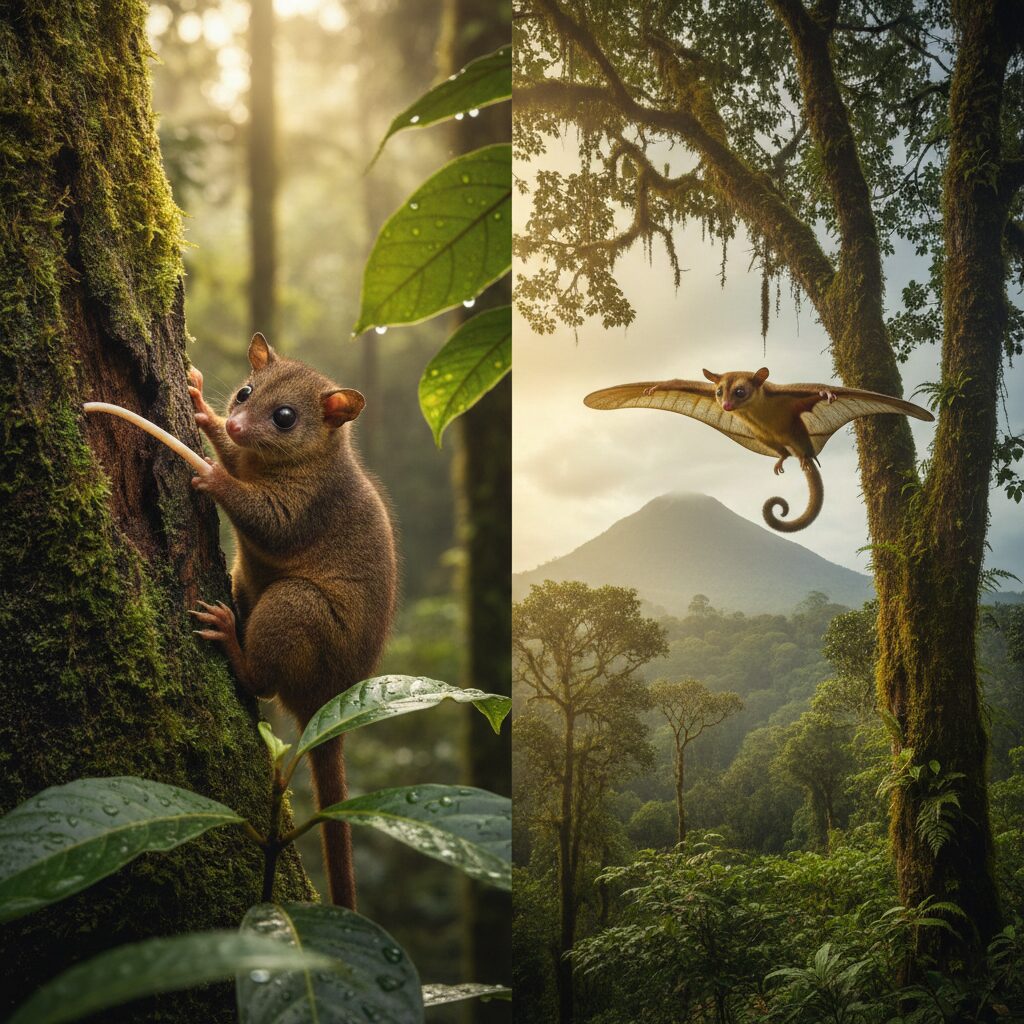
Imagine looking at a fossil. You hold the remains of a creature believed to have vanished during the last Ice Age. Now, imagine walking into a dense, misty highland forest and finding that exact same creature staring back at you. That is exactly what happened with two incredible species in New Guinea: the Pygmy Long-fingered Possum and the Ring-tailed Glider.
Today, I want to take you deep into the evolutionary history of these resilient animals. We will explore how they hid from the modern world, why their rediscovery changes everything we know about Australian continent biology, and what it means for the future of conservation.
What Exactly Are Lazarus Marsupials?
To understand the magnitude of this discovery, we first need to understand the science behind the term. The name “Lazarus taxon” comes from the biblical story of Lazarus, who was raised from the dead. In evolutionary biology, it refers to a species that disappears from the fossil record, leading scientists to declare it extinct, only for it to be found alive much later.
Lazarus marsupials are a perfect example of this phenomenon. Marsupials are already unique mammals, known for carrying their young in pouches. When you combine their specialized biology with geographic isolation, you create the perfect recipe for hidden survival.
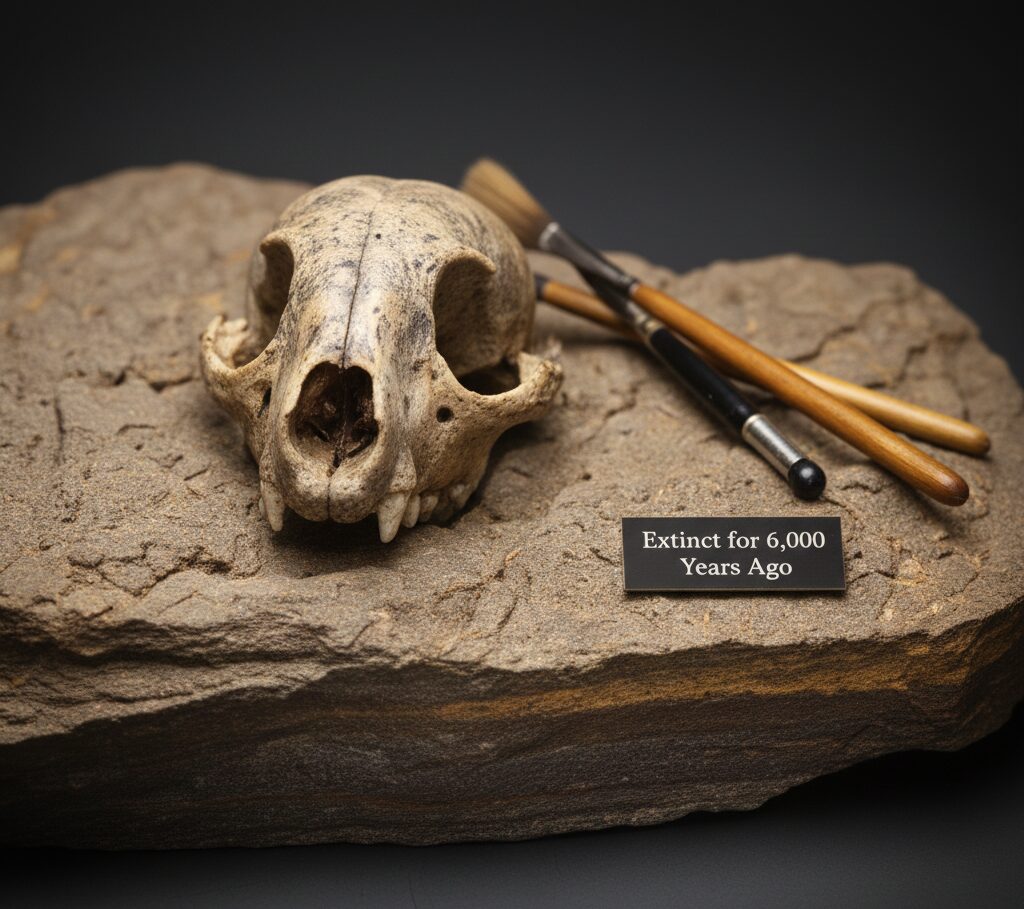
For 6,000 years, the Pygmy Long-fingered Possum and the Ring-tailed Glider existed only as ancient bones. They were categorized alongside other creatures that vanished during the last Ice Age. We thought their story was over. We were wrong.
The Pygmy Long-fingered Possum: A Tiny Survivor
Let us look closer at the first of our resurrected species. The Pygmy Long-fingered Possum is a master of adaptation. When I analyze its physical traits, its survival makes perfect sense.
First, it is incredibly small. This allows it to require fewer calories to survive. Second, it has elongated fingers specifically adapted for extracting insects from deep within tree bark. This highly specialized diet means it does not have to compete with larger, more generalist herbivores or carnivores.
In the dense, unmapped forests of New Guinea, being small and specialized is a massive advantage. It allowed this tiny marsupial to quietly thrive in the canopy while the world below changed drastically over millennia.
The Ring-tailed Glider: Phantom of the Canopy
The second species, the Ring-tailed Glider, offers an entirely different kind of survival story. Gliders are nocturnal, arboreal acrobats. They navigate the treetops by launching themselves into the air, using a membrane of skin to glide silently from branch to branch.
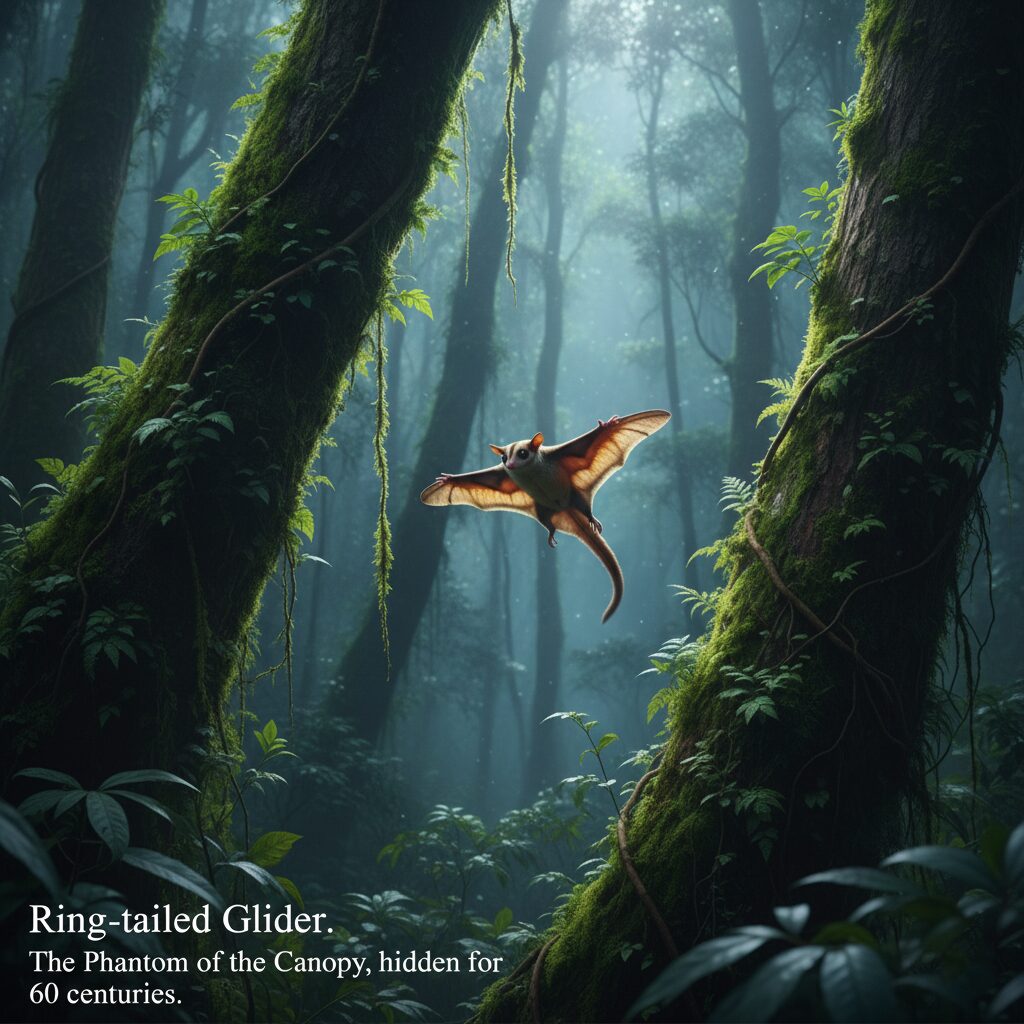
Because they rarely descend to the forest floor, they are incredibly difficult to spot. Their nocturnal habits and high-canopy lifestyle make them the ultimate phantoms of the forest. You could walk directly underneath a population of Ring-tailed Gliders every night for a year and never know they were there. This sheer elusiveness is the primary reason they remained hidden from modern science for 60 centuries.
Why New Guinea? The Ultimate Hideaway for Lazarus Marsupials
You might wonder how two species could hide from humanity for so long. The answer lies in the geography of New Guinea.
New Guinea shares a deep evolutionary history with Australia. Millions of years ago, they were connected by a land bridge, forming a supercontinent called Sahul. Because of this, they share a similar lineage of flora and fauna. If you look at the historical fossil records of the Australian continent, you will see the ancestors of the creatures living in New Guinea today.
However, unlike the flatter, more arid landscapes of Australia, New Guinea is defined by extreme, rugged mountain ranges and virtually impenetrable rainforests. These isolated highland valleys act as ecological fortresses. They protect species from climate changes, invasive predators, and human expansion. It is the perfect sanctuary for ancient relics to endure.
What This Means for Evolutionary Biology
The rediscovery of these Lazarus marsupials is not just a fun piece of trivia. It forces us to rewrite textbooks. When a species reappears after 6,000 years, it completely shifts our understanding of evolutionary history.
It tells me that our fossil record is vastly incomplete. It proves that extinction is sometimes just an illusion caused by our inability to look in the right places. Most importantly, it gives us hope. If the Pygmy Long-fingered Possum and the Ring-tailed Glider can survive the end of an Ice Age and thousands of years of human civilization, nature is far more resilient than we give it credit for.
The Future of the “Hidden Relics”
Our job now is to protect these living fossils. Finding them is only the first step. Because they have evolved in extreme isolation, they are incredibly vulnerable to sudden changes in their environment, such as deforestation or introduced diseases.
As I look at the conservation challenges ahead, I am reminded of the immense responsibility we carry. We have been given a second chance with these animals. The story of the Lazarus marsupials is a testament to the endurance of life, and it is up to us to ensure their story continues for another 6,000 years.